Amazzonia - riserva Tapiche Amazonia – Tapiche Reserve
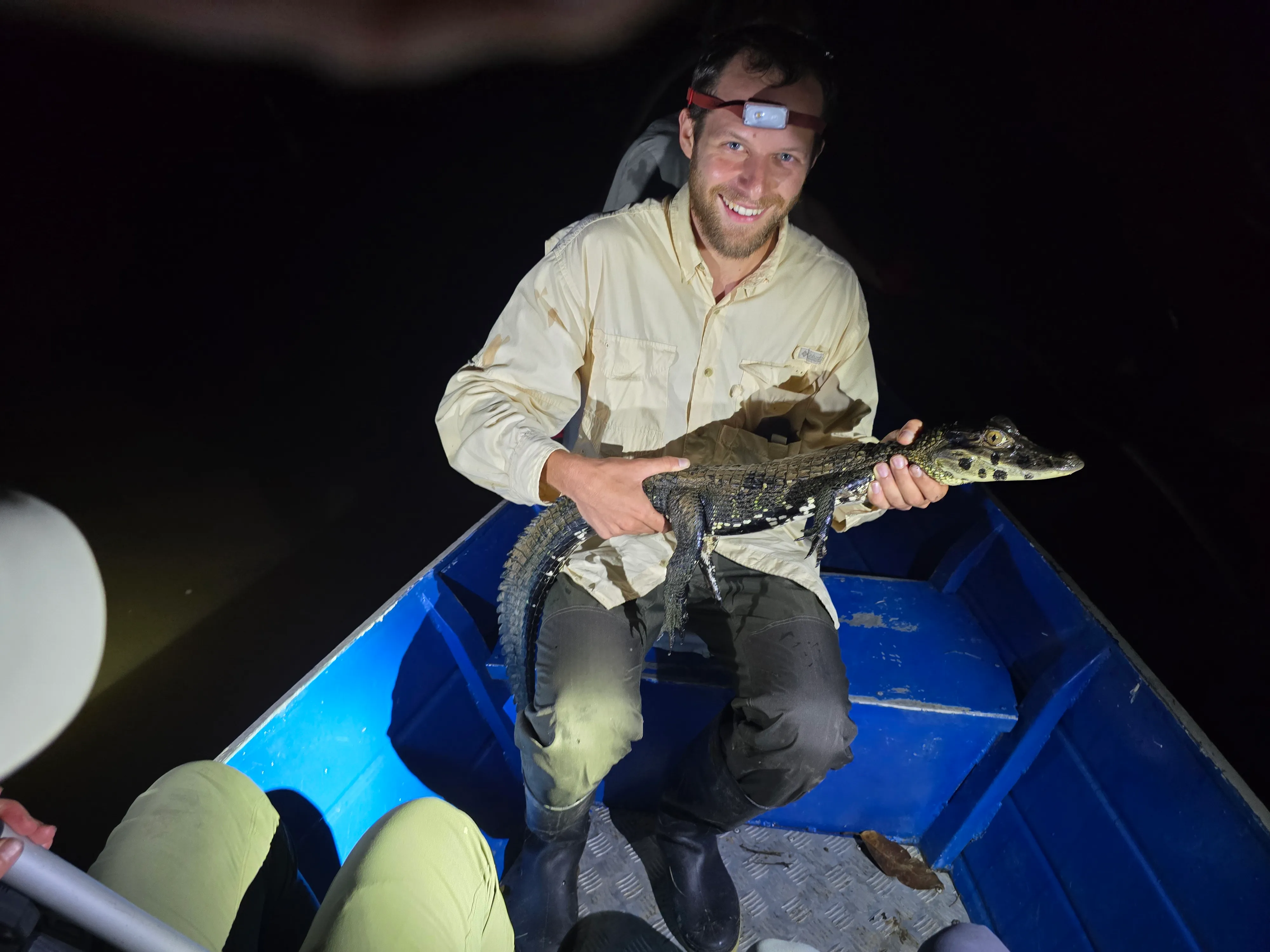
Disclaimer: per tutti quelli che pensano sia sbagliato che facciamo foto maneggiando gli animali selvatici. Questi animali non sono animali domestici, e non dovrebbero fidarsi degli esseri umani. La maggior parte di loro non ama essere maneggiata, e più lo facciamo, più diventano diffidenti verso gli umani. Ed è un bene, perché imparano a stare alla larga da noi. Persino le riserve naturali protette come questa sono piene di bracconieri che uccidono e catturano tutto ciò che possono: tartarughe, caimani, scimmie, uccelli ecc.. vengono venduti per la loro $$$ carne, oppure nel mercato nero come animali domestici, o a luoghi di 'ecoturismo' dove vengono usati come fonte di profitto per far scattare foto ai turisti. Quindi ricordate: se andate in uno di questi posti o mangiate carne 'esotica' e strana... probabilmente state contribuendo a distruggere l'ecosistema. Grazie per l'attenzione.
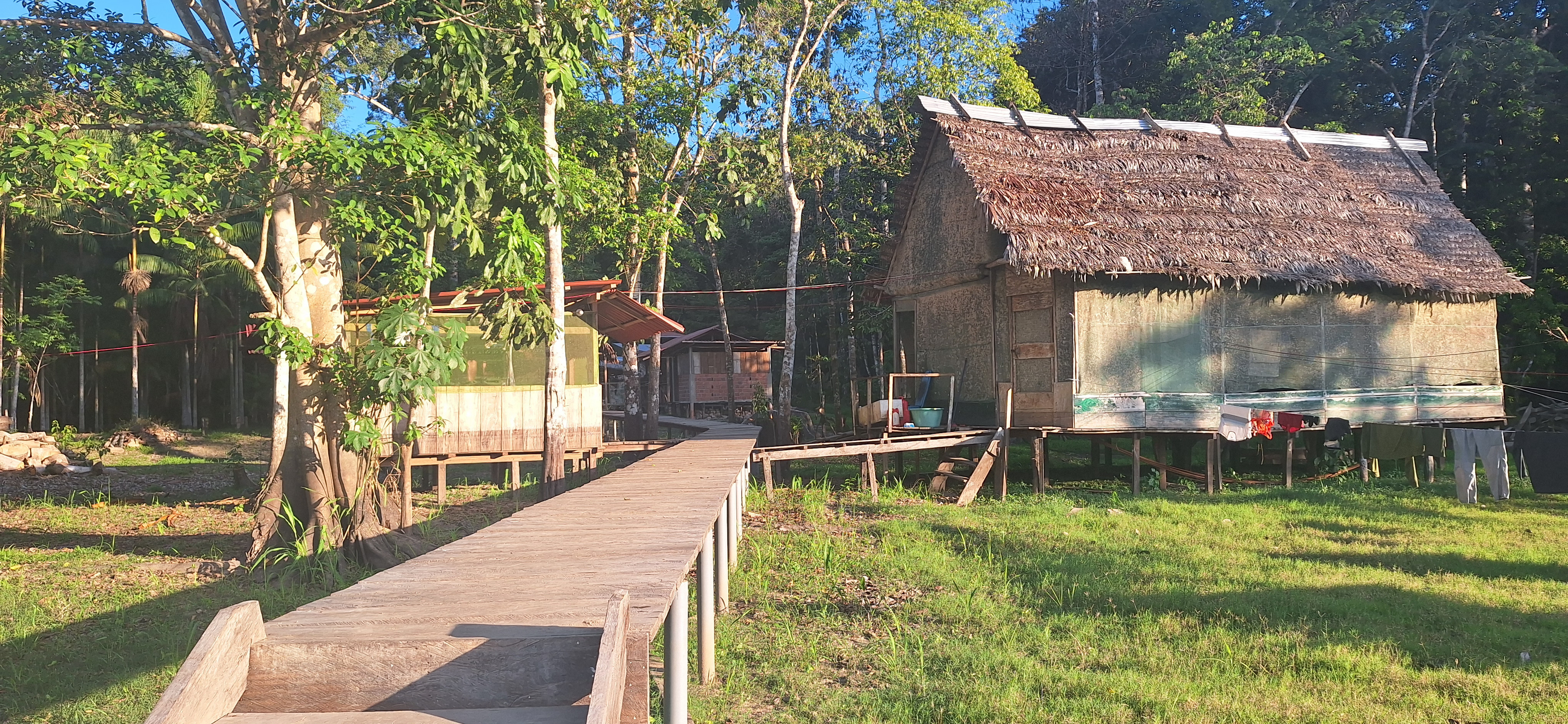
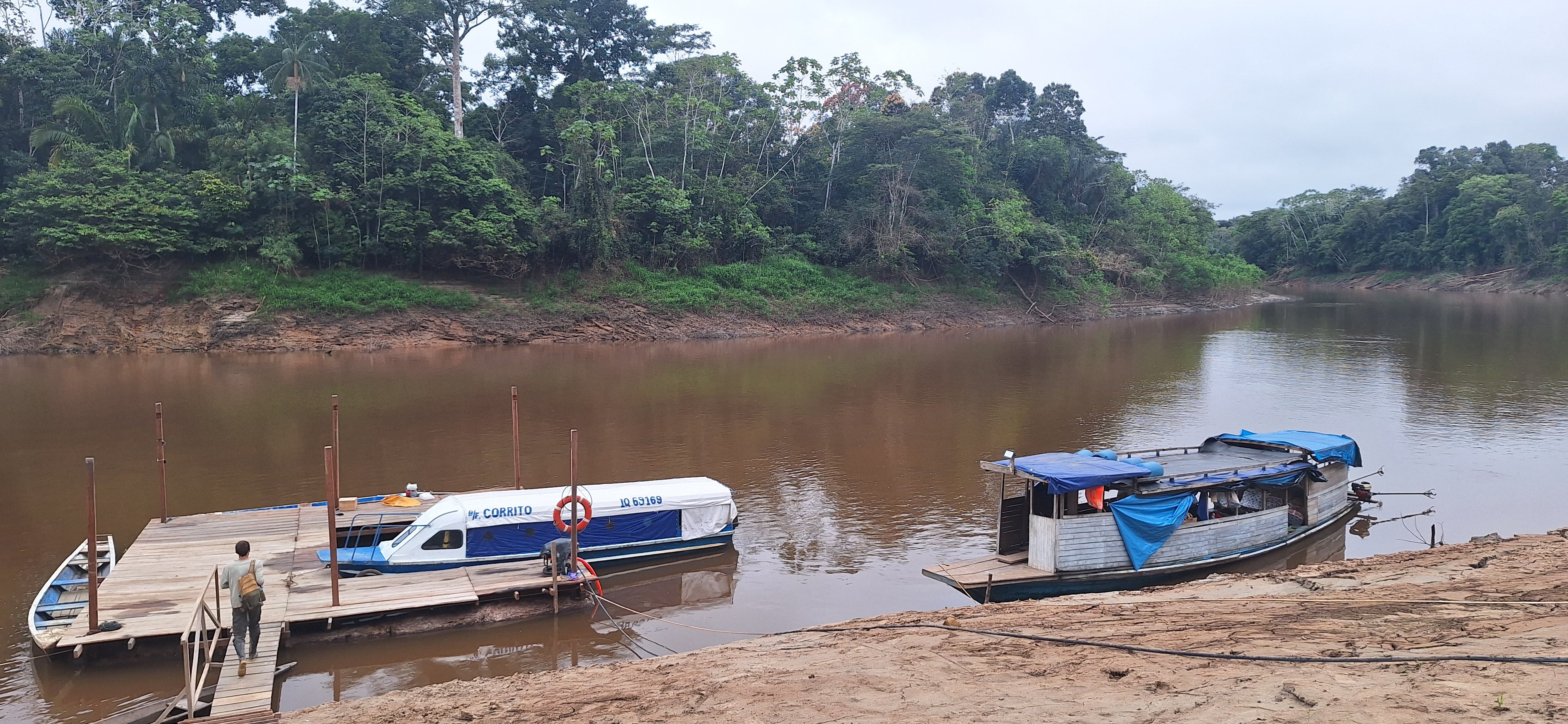
Ho passato le ultime tre settimane nella riserva Tapiche, sperduta nella foresta Amazzonica. Cinque palafitte di legno in cui vivo con i cinque lavoratori della riserva, a cinquecento chilometri di fiumi (non ci sono le strade qua) da Iquitos e cinque ore di barca dal paesino più vicino. Aiuto nei loro progetti di conservazione: salvare le uova di tartaruga, aprire sentieri con il machete, inseguire bracconieri, piazzare foto trappole. Passo le mie serate libere con bastone e luce frontale, solo tra i sentieri della riserva, cercando gli animali della foresta. Per me è come vivere in un grande parco giochi, poche cose mi galvanizzano come trovare un serpente o una tarantola dopo ore passate a cercarli nel buio.
Non riesco a dare una forma inizio-svolgimento-fine ai ricordi di questi giorni: li lascio qua cosí, come un percorso immersivo, come mi sono sentito io tutti questi giorni circondato dalla foresta.
—
Abbiamo passato la mattinata ad aprire un sentiero che taglia dritto dentro la foresta. In testa Pancho con il machete, poi io con il GPS per tenere la rotta, e dietro Julio che da un colpo di machete qua e là. Stiamo cercando di intercettare la pista che usano i bracconieri per introdursi nella riserva: nelle settimane precedenti hanno fatto strage di scimmie lanose, hoatzin, tapiri e chissà cos’altro, ma la riserva Tapiche è 12x12km di pura foresta e servirebbe un battaglione per pattugliarla. Tagliare dritto nella selva è un’operazione ignorante e faticosa che mi fa capire quanto la foresta tropicale sia variegata. Ogni cento metri cambia la natura intorno a noi: non per nulla è l’ecosistema terrestre più biodiverso del pianeta. Quando siamo fortunati passiamo in zone asciutte, con alberi alti che coprono dal sole, e un sottobosco quasi inesistente: dobbiamo solo fare dei piccoli segni ogni tanto sui tronchi per ritrovare la strada al ritorno. Altre volte gli aguajales ci sbarrano la strada: sono zone allagate in cui cresce l’aguaje, una palma famosa per il suo frutto dai molti usi alimentari medicinali. Gli aguajal sono fitti, pieni di vegetazione, ma Pancho è una macchina da guerra implacabile e neanche gli aguajales fermano il suo machete.
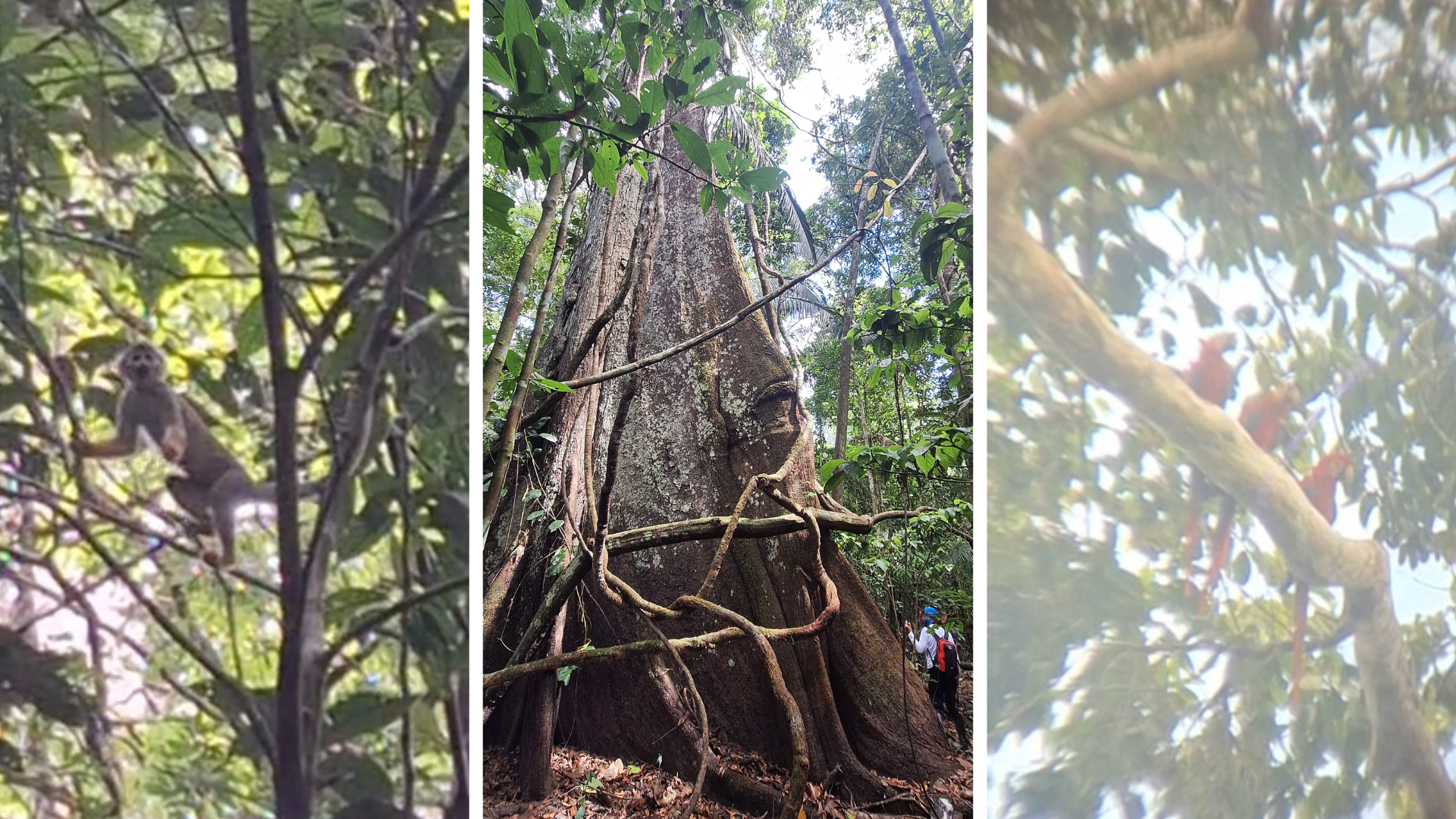
A un certo punto sento urla di uomini “RRRAAAAA” venire dall’alto: sono tre guacamayos dispettosi, i grandi famosi pappagalli rossi, che starnazzano appollaiati su un albero.
Ma, diversamente da ciò che ci si aspetta dalla foresta amazzonica, non è così comune avere gli animali a portata di vista. Io mi guardo sempre in giro per scovarli, ma è molto più difficile di quello che si pensa. La foresta tropicale è molto diversa dall’immaginario collettivo di noi gringos. Non è uno zoo a cielo aperto stile ‘Libro della Giungla’ dove i tucani ti atterrano sulla spalla e le scimmie vengono a rubarti la banana dalla mano. Gli animali stanno a grande distanza e fuggono quando sentono i nostri passi, prima che possiamo vederli. A volte invece ce li hai accanto senza rendertene conto, perchè si mimetizzano perfettamente. Per questo non bisogna fare affidamento solo sugli occhi: spesso li si localizza dai rumori: versi, o movimenti. Ogni animale produce suoni diversi: c’è una grande differenza tra il fruscio delle foglie prodotto da una lucertola o da un serpente - il primo è più sch-sch-schsch-sch, il secondo scchh-sscccchh-sch. I veri pro, come Aidan e Julio, riconoscono gli animali anche dall’odore del loro pisco. Un giorno Aidan si ferma e dice “c’è odore di porcospino”: ci guardiamo bene intorno e a quaranta metri da terra notiamo una palla nera avvinghiata alla cima di un albero… eccolo là il porcospino.
Io, da buon principiante, li vedo solo se li sto per pestare o se li sento muovere. Un giorno, mentre apro una pista da solo nella foresta fitta, sento qualcosa di molto grosso a pochi metri da me che si spaventa e scappa, dal rumore sembra una mucca al galoppo. È senza dubbio un tapiro, il più grande animale della foresta. Eppure il fogliame mi impedisce di vederlo, oppure semplicemente stavo pensando ai cazzi miei come sempre ed ero sovrappensiero.
Ma oggi per fortuna c’è Julio ad avvisarmi quando nota qualcosa. Un gruppo di peccary (simili a cinghiali) in lontananza, o un paca (un grosso roditore buffo) nascosto tra le foglie secche. A volte mi indica i segni del passaggio dei tapiri: orme di zampe a tre punte, o cumuli di merda secca.
—
La riserva Tapiche ha molti progetti, ma pochi soldi. Per racimolare fondi, consente ogni tanto a piccoli gruppi di stare nella riserva per qualche giorno, un full immersion nella foresta Amazzonica.
Tappa fissa in cui portare i turisti è una grande laguna, raggiungibile con un’ora di barca e due ore di cammino. La laguna è il fiore all’occhiello della riserva: selvaggia, paludosa, piena di vita.

Ci abitano migliaia di caimani, alcuni lunghi diversi metri, che di giorno pisolano e si vedono poco. Per richiamarli, Douglas mi insegna come fare il verso del caimano, un suono di gola. I caimani sono territoriali: quando sentono i nostri richiami si avvicinano pensando di dover scacciare un rivale, e noi ci godiamo la visuale delle loro teste semisommerse: fuori dall’acqua solo le narici, le pupille verticali e le scaglie lungo la cresta dorsale. Qua si trovano caimani con gli occhiali e i grandi caimani neri. Aidan giura di aver visto nella laguna la testa di un caimano nero così grande che il corpo potrebbe essere lungo una decina di metri: da record, sarebbe il più grosso esemplare al mondo dell’ordine dei crocodilia. Se me l’avesse detto uno dei peruviani non ci avrei creduto, ma Aidan è molto scientifico e conservativo nelle sue misurazioni (non soffre della ‘sindrome da pesce grande’). Chissá…

Ma nella laguna non ci sono solo caimani. Aidan stima che ci vivano almeno un centinaio di anaconda. L’anaconda è il serpente più pesante del mondo, infatti passa la maggior parte del suo tempo in acqua, per distribuire il peso: tiene solo le narici fuori dall’acqua ed è praticamente impossibile da vedere, a meno di fare snorkeling nella tra i caimani e le anguille elettriche o sorprenderla le rare volte che esce a caccia.
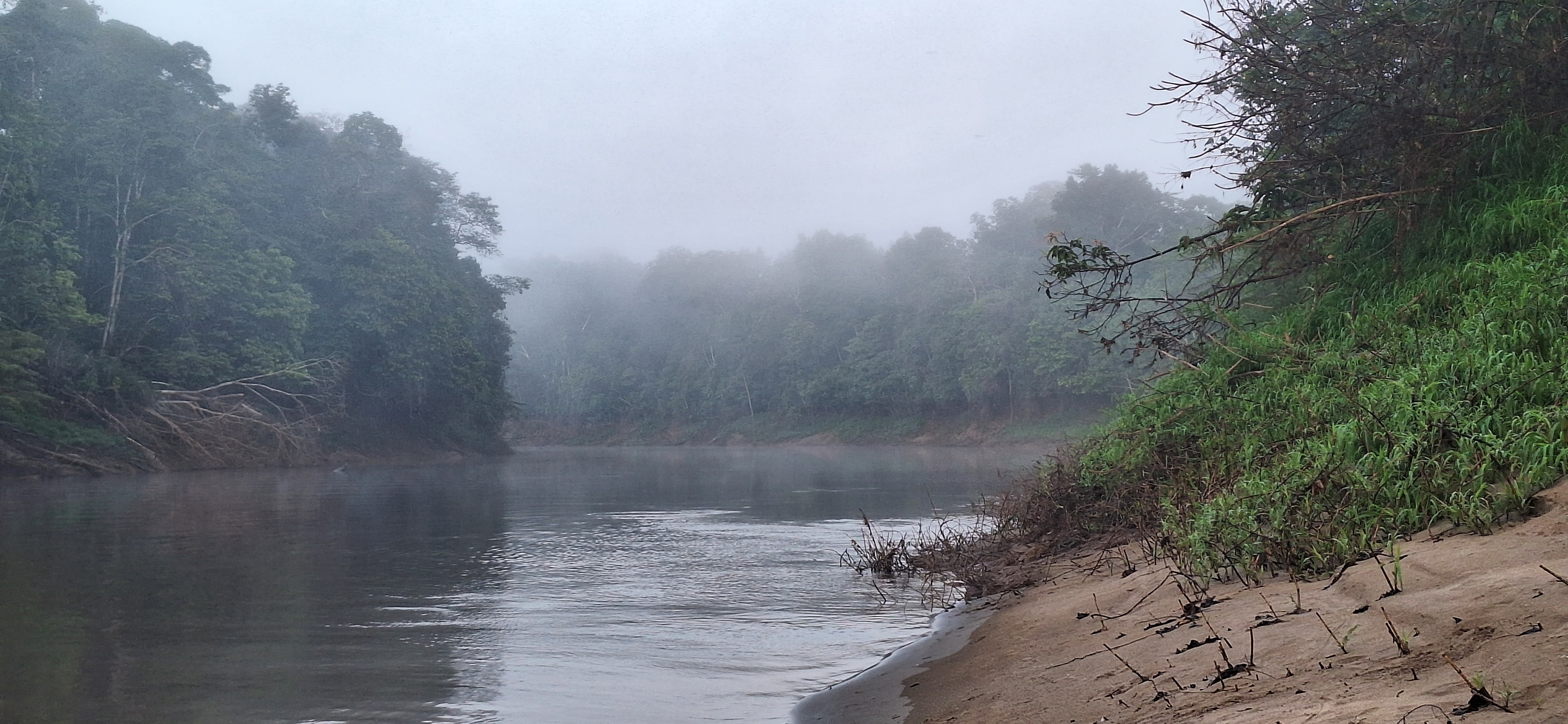
La laguna è così grande che teniamo una barca lì solo per poterla navigare - ovviamente con il motore smontato e nascosto tra gli alberi perchè i bracconieri non lo rubino. Navigando nella laguna dobbiamo spesso usare lunghi bastoni per disincagliare la barca dalla vegetazione. Gli alberi non ci coprono più e il sole picchia veramente forte: se non tengo i piedi in qualche striscia d’ombra, la gomma degli stivali si scalda talmente da bruciarmi i piedi.
Mi guardo sempre intorno sperando nel colpo di culo e vedere un’anaconda (rara), un tapiro (rarissimo) o un giaguaro a caccia di caimani (quasi impossibile). Il colpo di culo non arriva, ma intanto c’è sempre qualcosa da vedere: aironi, hoatzin (uccelli puzzulenti che meritano una googlata) , gallinelle, horned screamers (unici uccelli al mondo con un corno frontale osseo), falchi pescatori, e tante scimmie tra le cime degli alberi. Mentre imbocchiamo una parte stretta della laguna, facciamo un incontro ravvicinato con la gang più pericolosa della foresta: un trio di lontre giganti, grandi come un essere umano, occhi strabuzzati e iniettati di sangue, si avvicina minaccioso fino a una decina di metri dalla barca, facendo uscire il petto dall’acqua ed emettendo versi poco rassicuranti. Il loro teatrino machista dura poco: se ne vanno soddisfatte, lasciandomi un vivido ricordo come animale più inquisivo che ho incontrato qua in Amazzonia, dopo le formiche. Non per niente, qualcuno mi racconta che le lontre giganti sono carnivore e spesso mangiano le prede vive, strappando la carne a morsi mentre le inseguono - chissà se è vero.
Giaguari, lontre giganti, anaconda, caimani neri: questi sono i predatori alfa in Amazzonia, e sono tutti qua, nascosti nella laguna. Anche se non ci rendiamo conto della loro presenza, loro ci sono, e sanno benissimo dove ci troviamo.
—
Spesso, mentre camminiamo, Julio taglia con il machete dei pezzi di corteccia. Il legno di tante piante qua ha la linfa rossa (sembra di tagliare un pezzo di carne) ed è durissimo, per resistere alle termiti. Julio mi fa annusare i pezzi di corteccia, alcune sanno di limone, altre di pesce. Altre volte prende bacche o semi e me li passa sulle mani. Conosce un’infinità di usi medicinali delle piante della foresta. Suo nonno era un indigeno dell’Amazzonia (sì, quelli che cacciano seminudi con arco e frecce) e gli ha insegnato tanto. Si può fare di tutto con l’enorme varietà di piante che ci circonda. Purificanti contro le intossicazioni, antidoti contro il veleno delle vipere, ma anche filtri d’amore o pozioni per il malocchio. Mi rammarico di non aver tenuto nota di tutti gli insegnamenti di Julio, ci avrei potuto scrivere un libro. Il mio preferito rimane un albero i cui rami cadono da soli: il nodo che si stacca ha la forma di un glande, quindi questi alberi hanno ai loro piedi diversi rami-piselli. Con la corteccia si possono preparare infusi afrodisiaci per gli uomini; ma se mischiati con altre piante e fatti decantare durante il giusto plenilunio diventano prodigiosi antidolorifici mestruali.
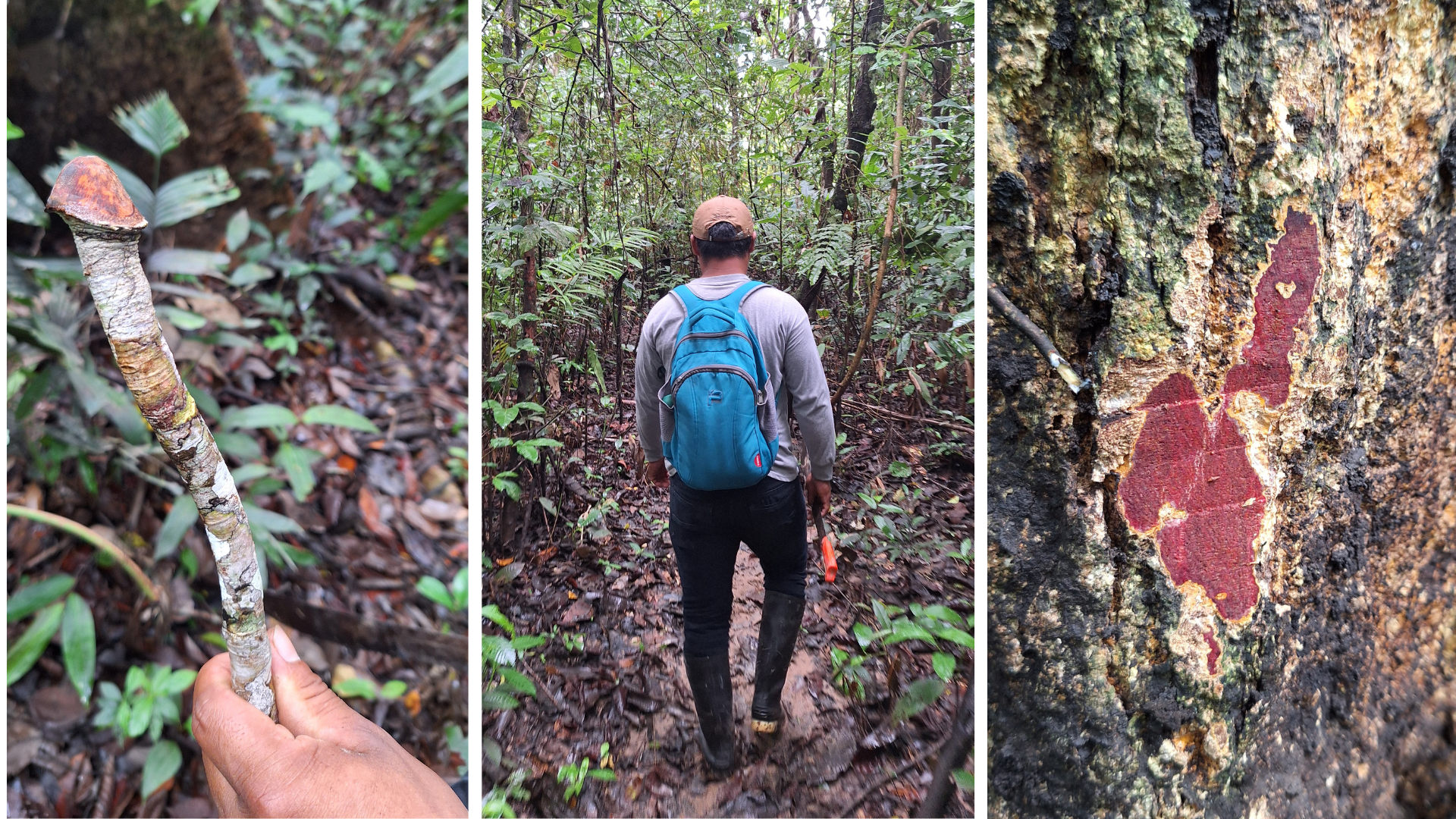
Julio ha passato tanto tempo nella foresta, cacciando da solo oppure lavorando come taglialegna. Lavorare in un gruppo di ‘taglialegna’ in questa parte del mondo vuol dire stare perennemente nella foresta profonda, cercando gli alberi giusti da tagliare, lasciandoli nelle zone che verranno inondate durante la stagione delle piogge in modo da poterli poi spostare sull’acqua. Vuol dire vedere le stesse poche facce per mesi e dormire sulle amache, sempre, e adattarsi a mangiare ciò che capita. Uno dei taglialegna viene designato come cacciatore: passa la giornata a cercare fonti di proteine per tutti, e qualsiasi animale può finire sul menu. Per questo motivo Julio conosce il sapore di molti animali della foresta: capybara (buono), tapiro (molto buono), peccary (buonissimo), anaconda (sa un po’ di pesce), scimmia lanosa (un po’ gommosa), paca (deliziosa), tartaruga (non male), etc… Sulla via del ritorno scavalchiamo il tronco di un grosso aguaje caduto e Julio mi fa segno di appoggiare un orecchio al tronco della palma. Sentiamo qualcosa di vivo grattare da dentro: grosse larve che vivono dentro il legno marcio dell’aguaje, chiamate suri in Peru o chontacuros in Ecuador, sono snack prelibati, dal gusto burroso e nocciolato. Decidiamo di tornare il giorno dopo con un secchio per estrarli dal tronco e farci una bella grigliata di larve.
—
Quando cala il sole, la maggior parte degli abitanti della foresta si sveglia.
E per me è come se il parco giochi aprisse i cancelli.
Non c’è niente che mi piaccia di più di avere la serata libera, quando non ci sono turisti da accompagnare o ronde da fare per cercare le uova di tartarughe. Stivali di gomma, pantaloni impermeabili, camicia lunga, frontalino, torcia di riserva, bastone, tokai (spirale antizanzare). Sono pronto.
Anche se la giungla di notte è piena di vita, non è comunque facile trovare gli animali. Mi concentro sui suoni e i movimenti. Non so mai dove guardare: potrebbero essere ovunque.
I boa e le vipere degli alberi sono indistinguibili (ai miei occhi) da rami e foglie. Marroni o verdi, si appostano tra i rami aspettando pazienti che una preda gli passi abbastanza vicino: cerco di fare in modo che la mia mano non sia quella preda. Imparo a riconoscere il verso-squittio delle smoky jungle frogs, enormi rane che passano la notte al suolo, gracidando al buio vicino alla loro tana-buca, saltandoci dentro quando ti avvicini troppo. Inizio a capire il modo in cui i kinkajou, grossi orsetti-scimmie-cani, fanno ondeggiare i rami degli alberi quando si spostano velocemente tra le fronde sopra la mia testa. Le scimmie notturne invece si muovono in modo diverso, più furtive, corrono tra le cime degli alberi senza quasi farle muovere, a più di quaranta metri di altezza. Ogni tanto sul tronco di un albero o sotto le foglie trovo una tra le infinite specie di scarafaggi giganti, false mantidi, scorpioni senza coda, scarabei che si mangiano la cacca, larve pelose di chissà quale falena, strani insetti che si accoppiano in massa, cicale rumorose, etc etc.. Il numero delle specie di artropodi è sterminato, molte non sono mai state classificate.
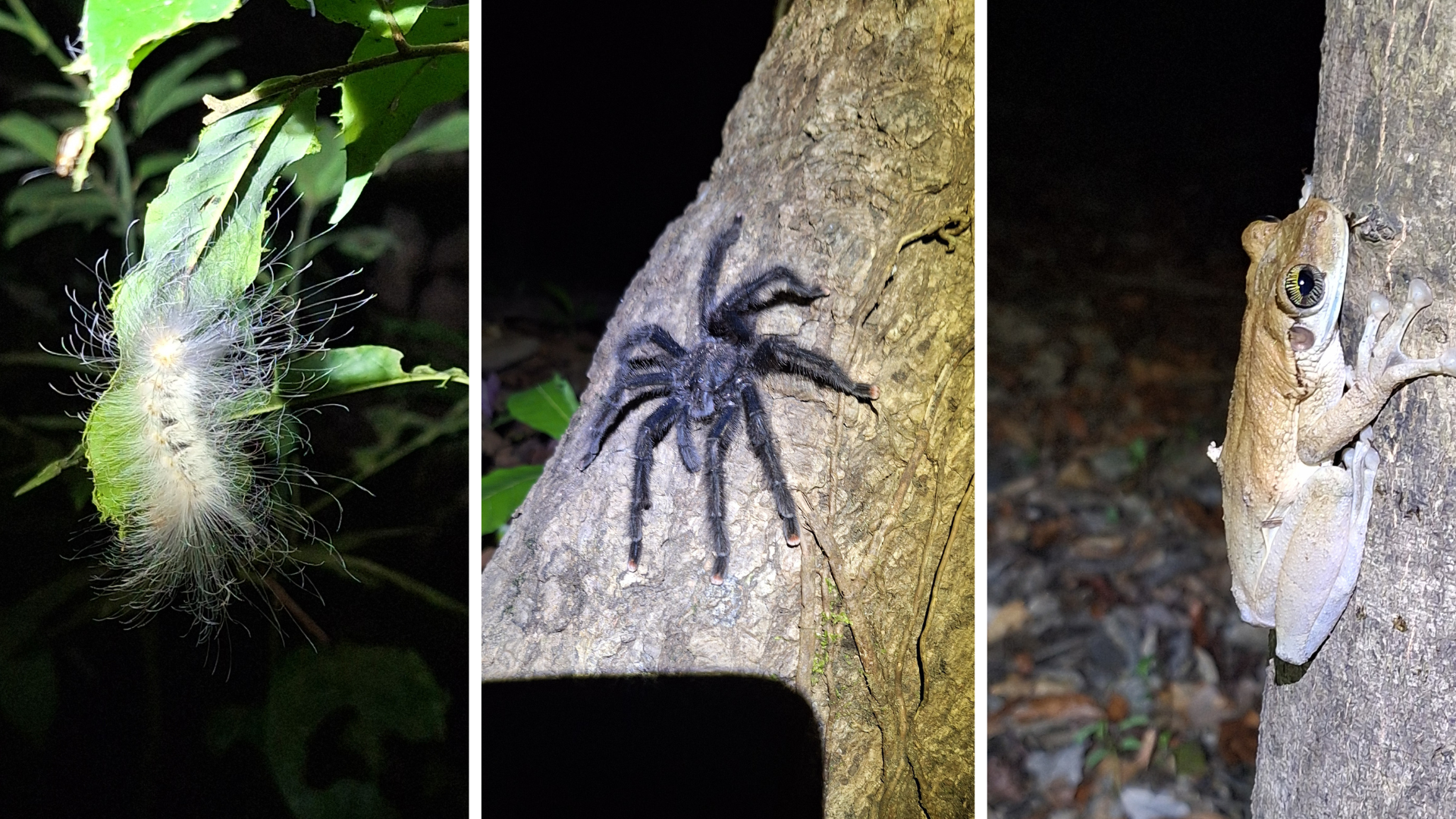
Gli occhi di molti animali riflettono la luce della torcia. Dopo qualche giorno, inizio a distinguerli . Grandi fanalini rossi sulla superficie del fiume sono sempre i caimani. Tra le foglie secche, due pallini viola sono gli occhi del pauraque, grande uccello che nidifica a terra.
Puntando la torcia al suolo si vedono sempre decine di occhi brillare: sono ragni. Onnipresenti, molti di questi non fanno la ragnatela e passano la notte a cacciare, muovendosi ogni tanto per cambiare postazione d’agguato. Un brillio leggermente più grande del normale è spesso un wandering spider, ragno bellissimo con zampe esili e veleno a volte mortale.
Spesso mi spingo abbastanza in profondità nella foresta, fino a non sentire più il rumore del generatore del nostro accampamento. Allora spengo la luce e mi godo i suoni per qualche minuto. Il buio è totale, gli alberi coprono completamente la luna e le stelle. Ci sono un’ infinità di rumori, le cicale e il ronzio degli insetti sono onnipresenti. La foresta mi circonda. Solo odori, suoni; fruscii, crepitii, alberi che ondeggiano per il vento. Mi sento elettrizzato, la foresta è un luogo chiaramente ostile, e ogni piccolo suono nel mistero del buio potrebbe nascondere un pericolo. Quanto sarebbe fico riaccendere la luce e trovare un giaguaro o un puma che mi guarda da un ramo? Tornerei sicuramente all’accampamento con le mutande marroni e piene. Ma so già che i giaguari sono dei timidoni paurosi dell’uomo e che, quando sentono i miei passi, scappano molto prima che io mi possa accorgere della loro presenza.
Uno dei miei tanti chiodi fissi è trovare i serpenti. Qua ce ne sono tantissime specie, la maggior parte notturne. Li cerco sotto i tronchi marci, dietro le rocce, o tra i rami. Chissà quanti me ne passano sotto il naso senza che io riesca a vederli. E cosa darei per trovare finalmente un boa! Insieme al giaguaro, il simbolo delle foreste tropicali di tutto il continente americano. Non velenoso, ma abbastanza irascibile dal morso facile: un costrictor, strangola le prede, ma non è abbastanza grande da rappresentare un pericolo per un uomo solo. Non sono riuscito a trovarlo in Messico, ne in Honduras, e neppure in Nicaragua. È difficile da vedere, timido, esce raramente per cacciare. Sarà la volta buona? Ormai per me è diventata un’ossessione.
Uno dei miei posti preferiti è un piccolo stagno, con una ‘passerella’ - due assi di legno marcio - per attraversarlo. È la casa di tanti animali: da uno sguardo veloce sembra inabitato, ma guardando meglio non è impossibile trovare i suoi abitanti. strani pesci vitrei, tartarughe con la testa cosí grande da non farla rientrare nel guscio, granchi d’acqua dolce. Io ovviamente spero sempre di trovare l’anaconda o il boa. A volte si vede qualcosa di grosso strisciare nell’acqua, ma me ne guardo bene da allungare una mano per toccarla: è un’anguilla elettrica, carica a 600V, ha tutte le carte in regola per mandare un uomo in arresto cardiaco. Però il mio abitante preferito dello stagno è la pipa pipa, sembra uscita da un cartone animato: una grande rana piatta, schiacciata, come se Bugs Bunny le avesse dato un colpo con un martello. Nonostante le dimensioni, è difficile vederla, quasi indistinguibile dalle foglie secche sott’acqua. La pipa pipa è famosa perchè maschio porta le uova sul dorso fino alla schiusa: un grande papá che fa da scuolabus.

Una sera, sulla via del ritorno dallo stagno, felice di aver trovato una pipa pipa dopo lunghe ricerche, finalmente accade! C’è un serpente allungato davanti a ma tra le foglie secche, è lui! Il boa!!
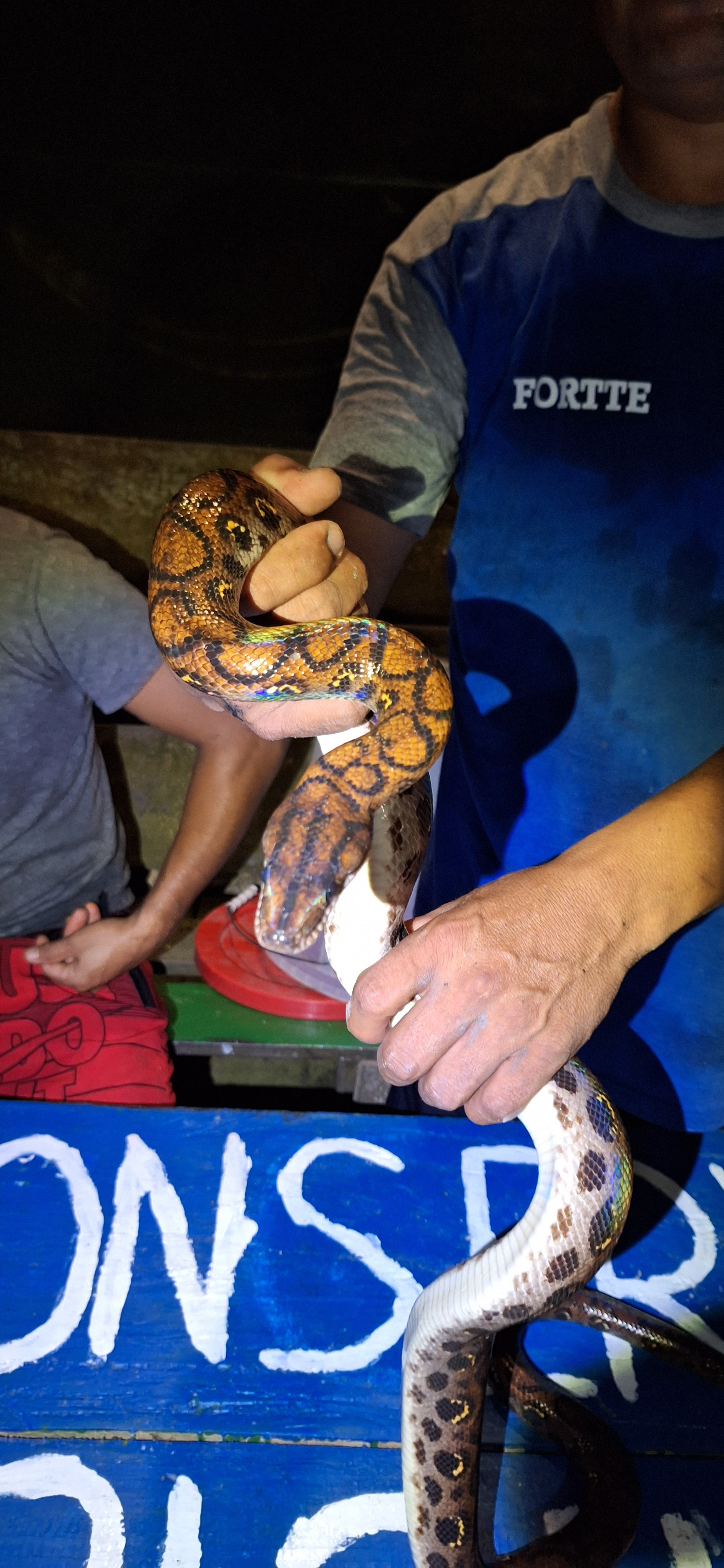
Si immobilizza terrorizzato, poi lentamente si nasconde in un buco. Sono vicino all’accampamento e chiamo Segundo, che senza farsi tanti problemi mette una mano nella tana e tira fuori il boa. È un bellissimo boa arcobaleno, le scaglie riflettono la luce e lo rendono un prisma strisciante multicolorato. Una meraviglia. Si fa manipolare, tranquillo, senza neanche provare a morderci. Lo portiamo all’accampamento per vederlo meglio sotto la luce, farlo vedere ai turisti, farci un po’ di immancabili foto, e poi lo liberiamo. Addio amico!
—
Siamo in 6 nella riserva Tapiche.
I quattro lavoratori peruviani: David, Douglas, Julio, Segundo.
Aidan, il responsabile della riserva, statunitense.
Ed io.
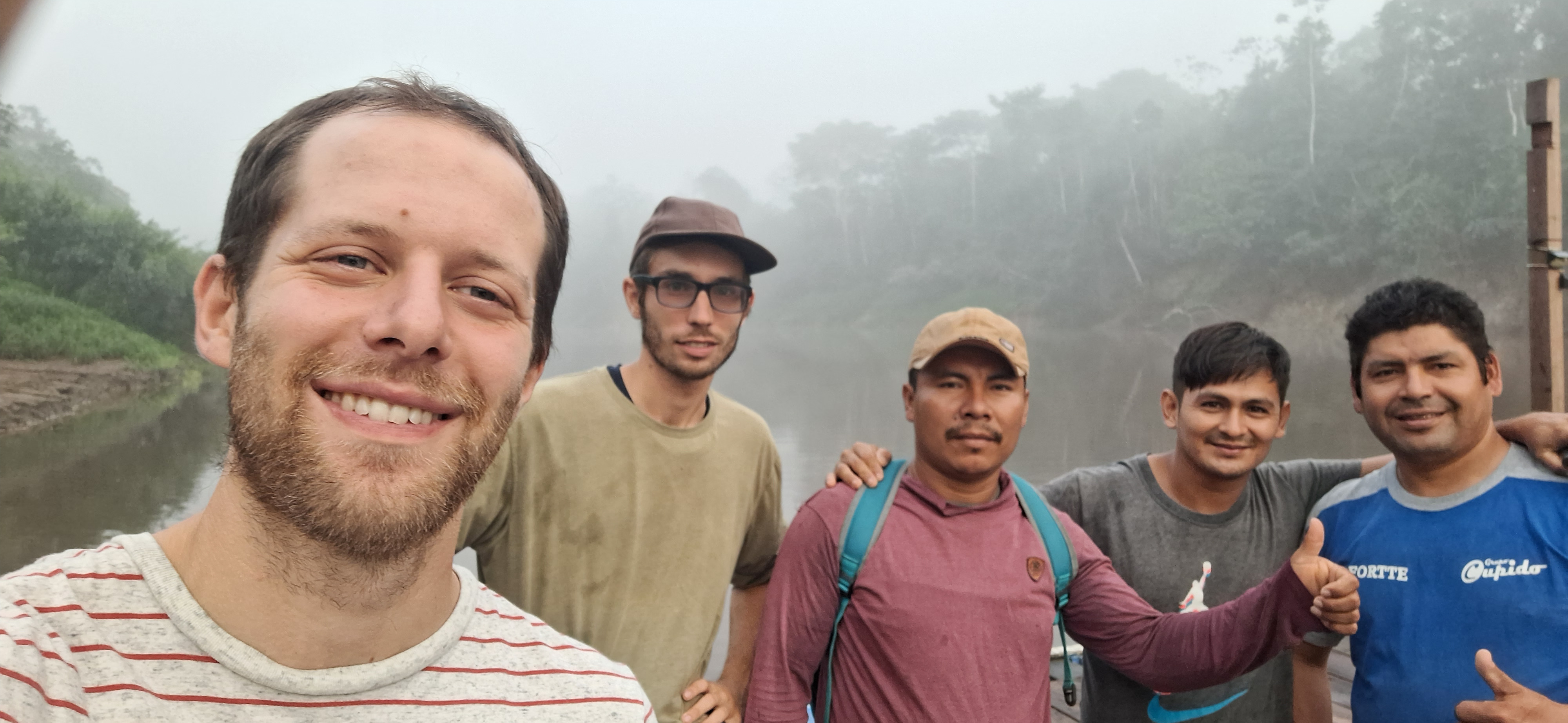
Aidan è l’enciclopedia vivente della foresta tropicale, conosce tutto su flora e fauna. Riconosce gli animali da suoni, movimenti e persino dagli odori. È come Steve Erwin misto a Bear Grylls. A volte si lancia tra il fogliame e torna sempre con qualcosa tra le mani: un piccolo innocuo serpente arboreo, oppure un grande sipo (serpente) lungo due metri che sibila e cerca di morderlo in faccia. Riconosce le scimmie dai loro versi ma anche dal modo in cui muovono le fronde degli alberi. Non è un compito facile: nella riserva Tapiche vivono almeno 14 tipi di scimmie. Ogni tanto, mentre me la chillo sull’amaca, sento le fronde degli alberi muoversi in maniera anomalo e vado fino al limite della radura (oltre, appena entrato nella foresta, ci sono troppe zanzare) per vedere cos’è. Quasi sempre sono uno scimmia scoiattolo o una scimmia cappuccino, appese con la coda a testa in giù, che si mangiano i frutti delle palme; altre volte sono le più rare scimmie saki (e con la coda non prensile che pende sempre in giú), scimmie titi (nere e minuscole), scimmie urlatrici (rumorose e dispettose), o scimmie lanose. Lontano dall’accampamento vediamo a volte il mitico huapo rojo, scimmia orribile dalla testa glabra e rossa, che si trova solo in due posti al mondo.
Ma passare il tempo con i peruviani è ció che rende unica la mia esperienza a Tapiche. Passiamo i pasti a conversare e mi raccontano come si vive in questa parte del mondo. Mi piace molto farmi raccontare le loro leggende e storie sugli animali della foresta. Loro credono che qua vivano le fiere, spiriti della foresta, molto più grandi degli animali normali. Julio giura di aver visto una volta con suo fratello un’anaconda lunga 30 metri, così grande che il machete ci rimbalzava contro senza scalfirla. Tra le mie storie preferite ci sono quelle sui bufeos, i delfini rosa che vediamo ogni giorno nel fiume Tapiche. I peruviani credono che i bufeos si trasformino in uomini quando vedono una ragazza passeggiare sola lungo l’argine del fiume, per sedurla e ingravidarla. A volte portiamo i turisti in un luogo dove ci sono molti delfini, per fare il bagno insieme a loro. Julio non si tuffa mai, perchè dice che nel fiume abita una fiera, un grande bufeo multicolore che ti morde le caviglie quando ti fai il bagno.
L’ultimo residente della riserva è Filet: un gatto trovatello che è stato portato qua da Iquitos perchè nessuno se ne prendeva cura. È il dominatore assoluto della riserva: sembra che nessun animale della foresta lo spaventi. D’altronde, è un giaguaro in miniatura.
—
Una delle domande più gettonate che mi fanno sull’Amazzonia è “Non hai paura degli animali? Sono pericolosi?”. Quindi vediamo di fare un po’ di chiarezza..
(Mamma non leggere i prossimi paragrafi)
La foresta tropicale è un ambiente ostile.
Ci sono molti organismi che possono fare male, ma non sono letali.
Molte piante tagliano, urticano, pungono, strappano la pelle se strusciate contropelo.
Diversi tipi di formiche rosse e formiche esercito non si fanno problemi a risalire i miei stivali e attaccarmi in pochi secondi quando metto per sbaglio piede vicino ai loro formicai.
Ma le più stronze rimangono le formiche proiettile: a loro il record di puntura più dolorosa al mondo - da cui il nome. Mi cadono a volte dentro l’amaca mentre leggo nei momenti chill, ma le scaccio sempre con successo. La seconda puntura più dolorosa del mondo appartiene a una specie di vespe che vive anche qui (che culo) e ronza sopra la superficie del fiume; a volte di notte vengono attirate dalle luci che usiamo per cercare le uova di tartaruga e salgono con noi sulla barca.
Il giaguaro, anche se uccide facilmente caimani grossi come uomini, è timido ed elusivo, e sa bene che non si scherza con il predatore alfa planetario (noi). Si tiene ben alla larga, quando sente i nostri passi. Stesso discorso per gli altri felini più ‘piccoli’: Puma, Jaguarundi, Ocelot, etc.
Un’anaconda adulta ha tutte le capacità di sopraffare un uomo adulto, stritolandolo. Ma non siamo sul loro menu (a differenza dei pitoni, che pero qua non ci sono), basta non infastidirle.
E i caimani che pullulano nel fiume Tapiche? Alcuni caimani neri raggiungono i 6 metri di lunghezza e a volte mangiano gli esseri umani. Ma di giorno ronfano pigri, e si attivano la notte per cacciare. Quindi i nostri bagni al fiume sono sempre fuori pericolo.
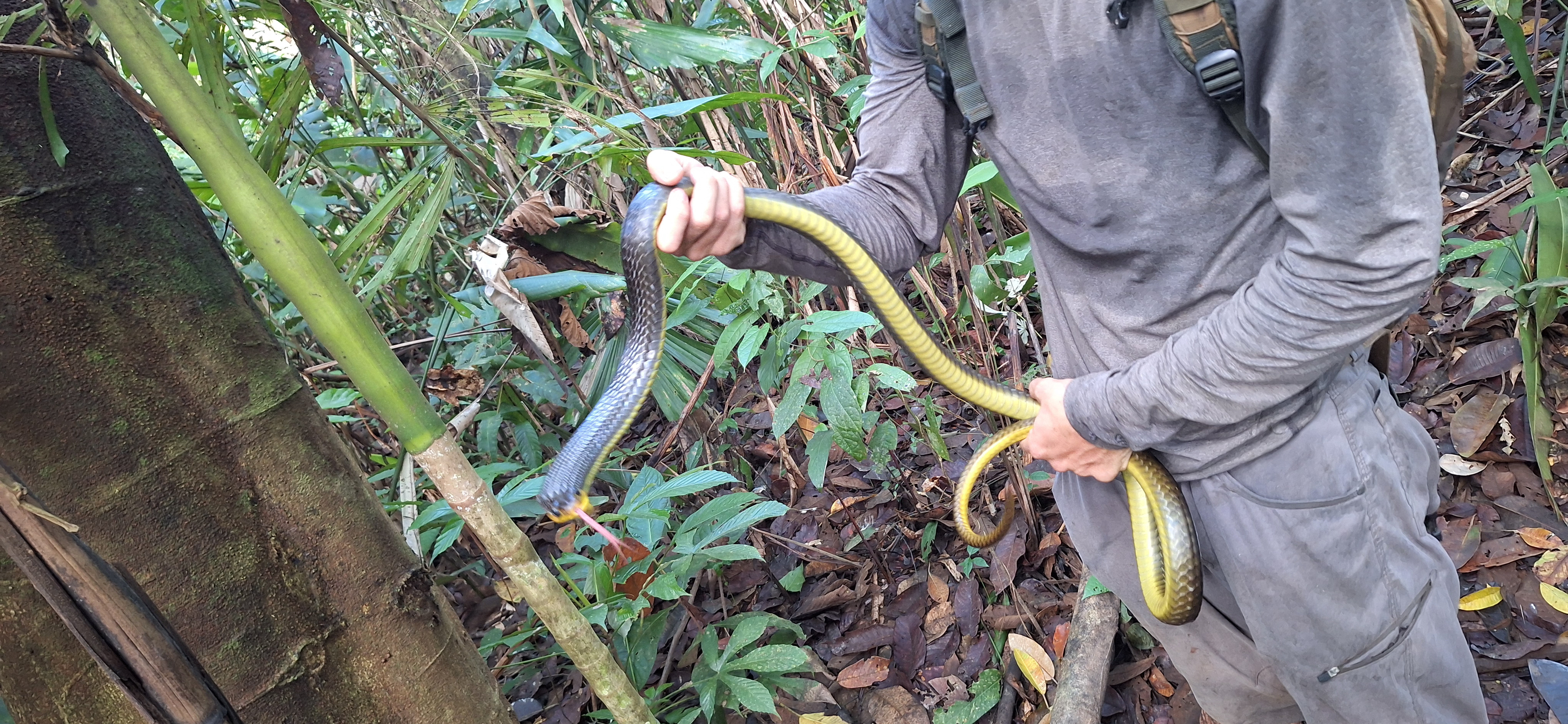
Quindi non ci sono animali da temere?
Non proprio: i pericoli ci sono, si chiamano serpenti velenosi. Vipere e serpenti corallo. Sono loro l’unica vera creatura da temere, non perchè aggressivi ma perchè altamente mimetici e può capitare di pestarli per sbaglio o di mettere la mano sul ramo dove stanno appostati. Ma sono molto rari. Anche i peruviani spesso non riescono a vederli in tempo. Mi raccontano che un giorno Douglas si sedette su un tronco senza rendersi conto che aveva quasi appoggiato la gamba su un terciopelo (una vipera). O un amico di Julio che un giorno attraversando una palude viene morso da una grande vipera (forse un amazon bushmaster, la vipera più grande del mondo): il veleno gli manda in putrefazione la gamba, lasciandola rinsecchita. Julio mi spiega che in caso io venissi morso da una vipera dovrei chiudermi in una stanza per diversi giorni. Solo il curandero (medico-sciamano) avrebbe il permesso di vedermi, perchè la visita di altre persone potrebbe portarmi “il male” e riattivare la ferita; specialmente le coppie che hanno consumato da poco un rapporto sessuale sono le più cariche di “male” e assolutamente off-limits. Per fortuna non ho mai avuto il privilegio di provare questa cura alternativa.
—
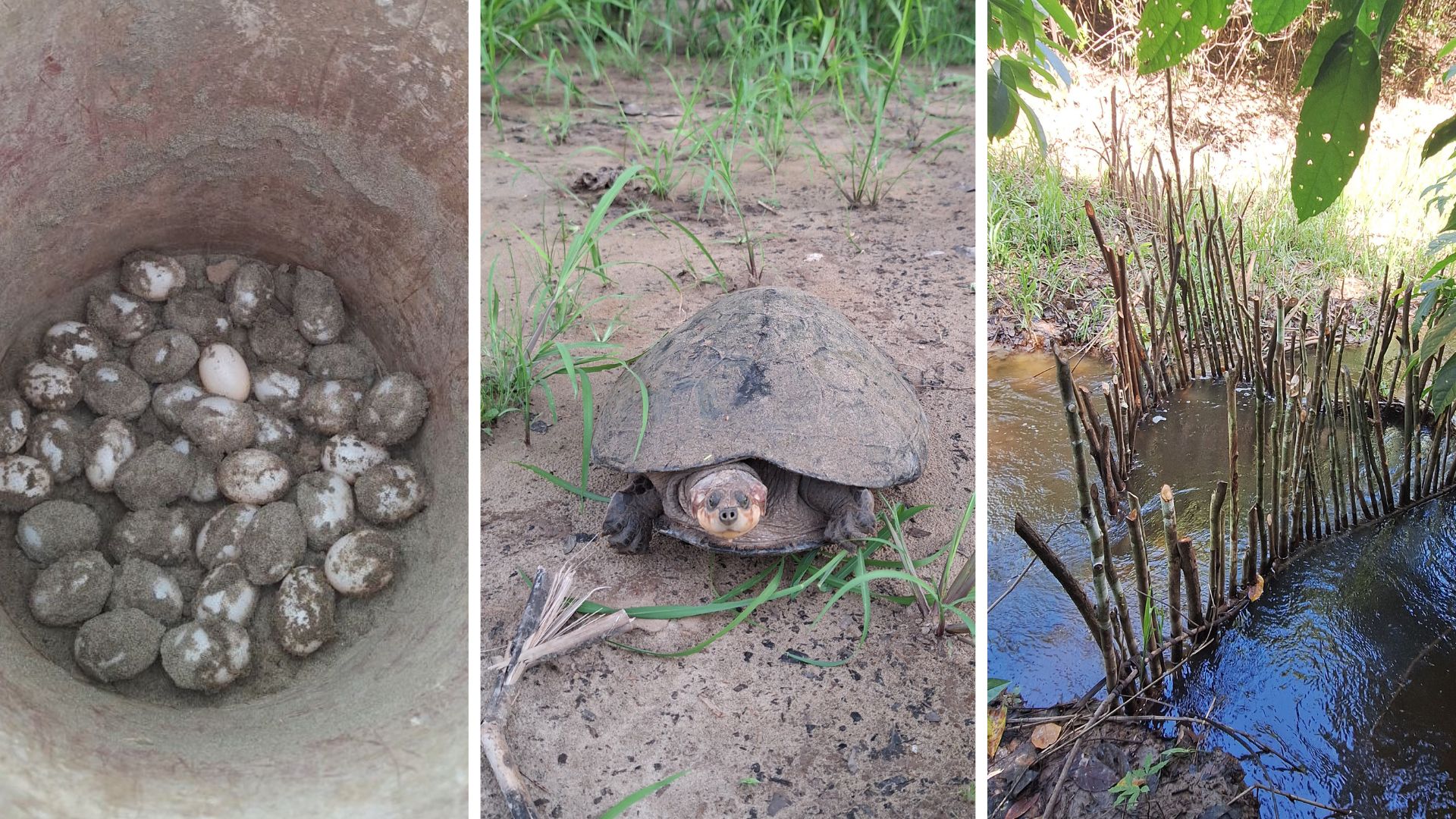
Agosto a Tapiche vuol dire ‘Turtle nesting season’, la stagione in cui le tartarughe di fiume taricaya depongono le uova. Le mamme emergono dall’acqua, vagano un po’ tra la riva sabbiosa e se gli piace il posto scavano una buca, depongono le uova, le coprono e poi se la filano. La nostra missione è pattugliare in barca le sponde del fiume cercando le impronte delle mamme taricaya, seguirle, trovare il nido, scavare, prendere le uova e risotterrarle in un posto sicuro vicino all’accampamento.
Perchè tutto questo sbatti? Perchè i bracconieri entrano abitualmente nella riserva, su piccole barche o canoe. Come noi, cercano le uova; e se nel frattempo trovano le mamme taricaya o qualche caimano, si prendono pure quelli. Tutto viene venduto nelle comunitá locali come fonte proteica, o nei mercati di Iquitos dove i turisti possono provare ‘carne esotica’.
La ricerca notturna delle uova diventa quindi una gara contro i bracconieri a chi le trova prima. A volte troviamo proprio i bracconieri e ci lanciamo in inseguimenti pazzerelli lungo il fiume per mandarli via. Nel frattempo mi godo il fiume di notte: i caimani sono ovunque, i loro occhi sopra la superficie dell’acqua riflettono la luce delle nostre torce con un rosso facilmente riconoscibile. A volte Aidan si lancia sulla riva e torna con una baby anaconda in mano; e vale la pena farsi devastare dalle zanzare mentre la ammiriamo.
Spesso i bracconieri entrano via terra. Durante il giorno piazziamo fototrappole per incastrarli, seguendo le soffiate della ‘rete di spie’ che Aidan ha nelle comunitá vicine. A volte lungo i ruscelli troviamo rudimentali trappole di legno usate per catturare le tartarughe. Le smantelliamo a colpi di machete e bestemmie, mentre le zanzare ci divorano.
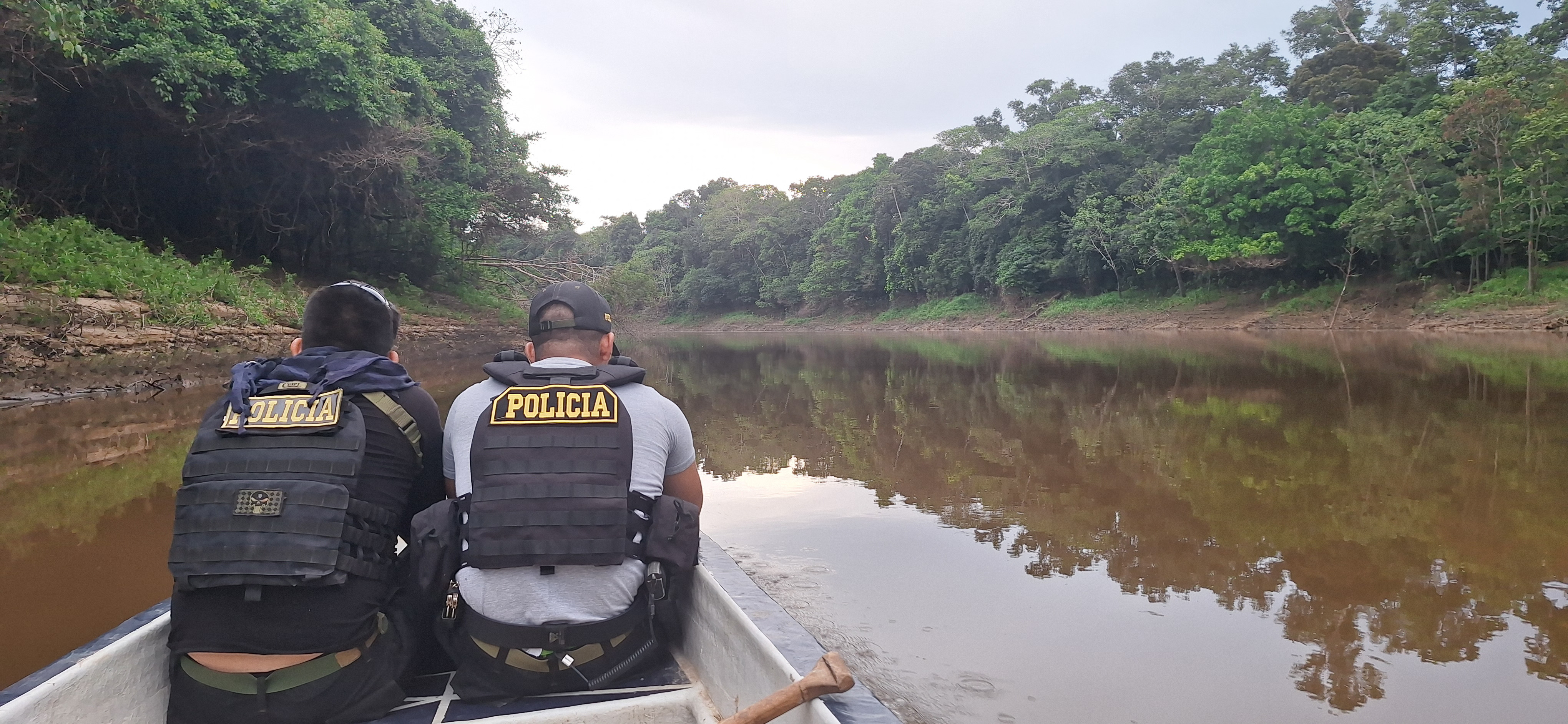
Quando i bracconieri iniziando ad essere troppi, la polizia peruviana ci accompagna in qualche pattugliamento-inseguimento per tenerli lontani. Le visite della polizia sono antropologicamente interessanti. Spesso portano i loro figli, bambini o adolescenti. In questa parte del Peru è comune essere genitori a diciotto anni: Segundo, Julio e Pancho hanno meno di 40 anni e sono tutti nonni. Pancho spesso mi chiede se voglio fare un bambino con sua figlia sedicenne, che è giá madre (rifiuto l’offerta e vado avanti).
—
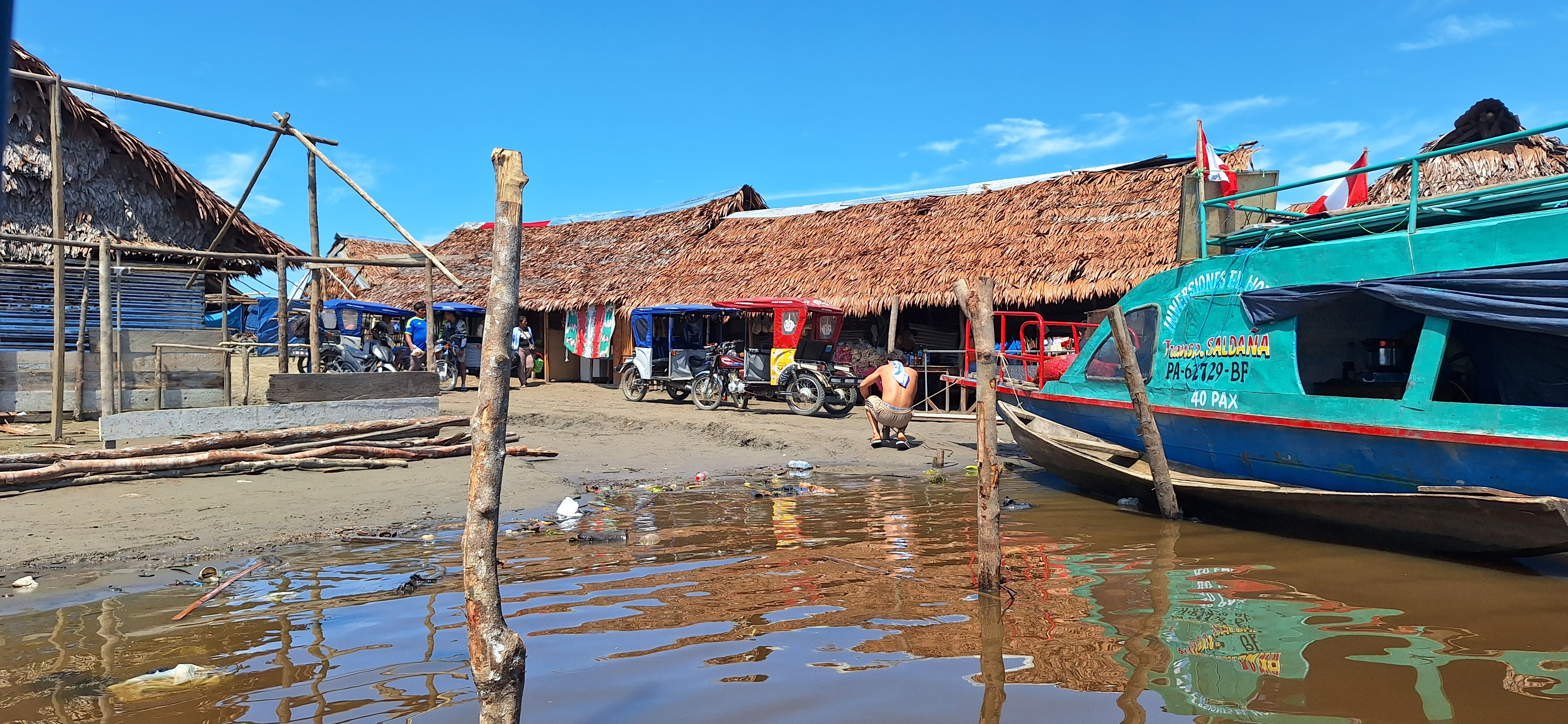
Sto tornando a Iquitos dopo tre settimane nella riserva. Il viaggio è lungo, ma quasi finito: mi attendono le ultime cinque ore di barca pubblica. Mentre ci fermiamo nelle comunitá lungo il fiume, salgono bambini per vendere qualche snack ai passeggeri. Qua la combo più popolare è formaggio fresco, pane a forma di tartaruga e uova bollite. Ovviamente, uova di Taricaya.
Disclaimer: for everyone who thinks it is bad that we are taking pictures handling wildlife. These animals aren't pets, and they shouldn't trust humans. Most of them don't enjoy to be handled, and the more we do it, the more they become wary of humans. That's good because they learn to stay away from us. Even protected natural reserves like this one are cramped with poachers that kill and grab everything they can: turtles, caymans, monkeys, birds etc.. they are sold for the $$$ meat, or in the black market as pets, or to 'ecotourism' spots where they are used as source of profit for tourists to take pictures. So remember if you go in one of these places or you eat 'exotic' strange meat... you are probably contributing to destroy the ecosystem. Thank you for your attention.
I spent the last three weeks in the Tapiche reserve, lost in the Amazon rainforest. Five wooden stilt houses where I live with the five workers of the reserve, five hundred kilometers of rivers (there are no roads here) from Iquitos and five hours by boat from the nearest village. I help with their conservation projects: saving turtle eggs, opening trails with the machete, chasing poachers, setting camera traps. I spend my free evenings with a stick and headlamp, alone along the trails of the reserve, looking for forest animals. For me it’s like living in a big playground, few things galvanize me like finding a snake or a tarantula after hours spent looking for them in the dark.
I can’t manage to give these days’ memories a beginning–development–end shape: I leave them here like this, as an immersive path, as I felt during all these days surrounded by the forest.
—
We spent the morning opening a trail that cuts straight into the forest. In front Pancho with the machete, then me with the GPS to keep the course, and behind Julio giving a machete strike here and there. We are trying to intercept the trail that poachers use to enter the reserve: in the previous weeks they slaughtered woolly monkeys, hoatzins, tapirs and who knows what else, but the Tapiche reserve is 12x12 km of pure forest and it would take a battalion to patrol it. Cutting straight into the jungle is a crude and exhausting operation that makes me understand how varied the tropical forest is. Every hundred meters the nature around us changes: not by chance it is the most biodiverse terrestrial ecosystem on the planet. When we are lucky we pass through dry areas, with tall trees that shield us from the sun, and an almost nonexistent undergrowth: we only have to make small marks now and then on the trunks to find the way back. Other times the aguajales block our path: they are flooded areas where aguaje grows, a palm famous for its fruit with many food and medicinal uses. The aguajales are dense, full of vegetation, but Pancho is an implacable war machine and not even the aguajales stop his machete.
At a certain point I hear men’s shouts “RRRAAAAA” coming from above: they are three mischievous guacamayos, the large famous red parrots, squawking perched on a tree.
But, contrary to what one expects from the Amazon rainforest, it is not so common to have animals within sight. I am always looking around to spot them, but it is much harder than one thinks. The tropical forest is very different from the collective imagination of us gringos. It is not an open-air zoo, Jungle Book–style, where toucans land on your shoulder and monkeys come to steal a banana from your hand. The animals keep a great distance and flee when they hear our footsteps, before we can see them. Sometimes instead they are right next to you without you realizing it, because they camouflage themselves perfectly. For this reason you can’t rely only on your eyes: often they are located by sounds: calls, or movements. Every animal produces different sounds: there is a big difference between the rustling of leaves produced by a lizard or by a snake — the first is more sh-sch-schsch-sch, the second scchh-sscccchh-sch. The real pros, like Aidan and Julio, recognize animals even by the smell of their pee. One day Aidan stops and says “it smells like porcupine”: we look around carefully and forty meters up we notice a black ball clinging to the top of a tree… there’s the porcupine.
I, as a good beginner, only see them if I’m about to step on them or if I hear them move. One day, while I am opening a trail alone in the dense forest, I hear something very big a few meters from me that gets scared and runs away, from the noise it sounds like a galloping cow. It is undoubtedly a tapir, the largest animal of the forest. And yet the foliage prevents me from seeing it, or maybe I was just thinking about my own shit as usual and was lost in thought.
But today luckily Julio is there to warn me when he notices something. A group of peccaries (similar to wild boars) in the distance, or a paca (a large, funny rodent) hidden among the dry leaves. Sometimes he points out the signs of tapir passage: three-toed footprints, or piles of dry shit.
—
The Tapiche reserve has many projects, but little money. To scrape together funds, it occasionally allows small groups to stay in the reserve for a few days, a full immersion in the Amazon rainforest.
A fixed stop to take tourists to is a large lagoon, reachable with one hour by boat and two hours on foot. The lagoon is the jewel in the crown of the reserve: wild, swampy, full of life.
Thousands of caimans live there, some several meters long, which during the day doze and are rarely seen. To call them, Douglas teaches me how to make the caiman call, a guttural sound. Caimans are territorial: when they hear our calls they approach thinking they have to chase away a rival, and we enjoy the view of their half-submerged heads: only the nostrils, the vertical pupils and the scales along the dorsal crest out of the water. Here there are spectacled caimans and large black caimans. Aidan swears he has seen in the lagoon the head of a black caiman so big that the body could be about ten meters long: a record, it would be the largest specimen in the world of the order Crocodilia. If one of the Peruvians had told me, I wouldn’t have believed it, but Aidan is very scientific and conservative in his measurements (he doesn’t suffer from “big fish syndrome”). Who knows…
But in the lagoon there are not only caimans. Aidan estimates that at least a hundred anacondas live there. The anaconda is the heaviest snake in the world; in fact it spends most of its time in the water, to distribute its weight: it keeps only the nostrils out of the water and is practically impossible to see, unless you go snorkeling among caimans and electric eels or surprise it on the rare occasions when it comes out to hunt.
The lagoon is so large that we keep a boat there just to be able to navigate it — obviously with the engine removed and hidden among the trees so that poachers don’t steal it. Navigating the lagoon we often have to use long poles to free the boat from the vegetation. The trees no longer give us cover and the sun beats down really hard: if I don’t keep my feet in some strip of shade, the rubber of the boots heats up so much that it burns my feet.
I am always looking around hoping for a stroke of luck and to see an anaconda (rare), a tapir (very rare) or a jaguar hunting caimans (almost impossible). The stroke of luck doesn’t come, but in the meantime there is always something to see: herons, hoatzins (smelly birds that deserve a Google search), gallinules, horned screamers (the only birds in the world with a bony frontal horn), ospreys, and many monkeys among the treetops. As we enter a narrow part of the lagoon, we have a close encounter with the most dangerous gang of the forest: a trio of giant otters, as big as a human being, bulging bloodshot eyes, approaches menacingly to within about ten meters of the boat, sticking their chests out of the water and emitting unsettling calls. Their macho little show doesn’t last long: they leave satisfied, leaving me with a vivid memory as the most inquisitive animal I have encountered here in the Amazon, after ants. Not for nothing, someone tells me that giant otters are carnivores and often eat their prey alive, tearing flesh with bites as they chase it — who knows if it’s true.
Jaguars, giant otters, anacondas, black caimans: these are the alpha predators in the Amazon, and they are all here, hidden in the lagoon. Even if we don’t realize their presence, they are there, and they know very well where we are.
—
Often, while we walk, Julio cuts pieces of bark with his machete. The wood of many plants here has red sap (it feels like cutting a piece of meat) and is very hard, to resist termites. Julio makes me smell the pieces of bark: some smell like lemon, others like fish. Other times he takes berries or seeds and rubs them on my hands. He knows an infinite number of medicinal uses of forest plants. His grandfather was an indigenous Amazonian (yes, the ones who hunt half-naked with bows and arrows) and taught him a lot. You can do anything with the enormous variety of plants that surrounds us. Purifiers against poisoning, antidotes against viper venom, but also love filters or potions against the evil eye. I regret not having written down all of Julio’s teachings, I could have written a book about them. My favorite remains a tree whose branches fall off on their own: the detached knot has the shape of a glans, so these trees have several pea-branches at their feet. With the bark you can prepare aphrodisiac infusions for men; but if mixed with other plants and left to settle during the right full moon they become prodigious menstrual painkillers.
Julio has spent a lot of time in the forest, hunting alone or working as a logger. Working in a group of “loggers” in this part of the world means staying permanently in the deep forest, looking for the right trees to cut, leaving them in areas that will be flooded during the rainy season so they can then be moved on the water. It means seeing the same few faces for months and sleeping in hammocks, always, and adapting to eating whatever comes along. One of the loggers is designated as the hunter: he spends the day looking for protein sources for everyone, and any animal can end up on the menu. For this reason Julio knows the taste of many forest animals: capybara (good), tapir (very good), peccary (excellent), anaconda (tastes a bit like fish), woolly monkey (a bit rubbery), paca (delicious), turtle (not bad), etc… On the way back we step over the trunk of a large fallen aguaje and Julio signals me to place an ear against the trunk of the palm. We hear something alive scratching from inside: large larvae that live inside the rotten wood of the aguaje, called suri in Peru or chontacuros in Ecuador, are prized snacks, with a buttery, nutty flavor. We decide to come back the next day with a bucket to extract them from the trunk and make a nice larva barbecue.
—
When the sun goes down, most of the inhabitants of the forest wake up.
And for me it’s as if the playground opened its gates.
There is nothing I like more than having the evening free, when there are no tourists to accompany or patrols to do looking for turtle eggs. Rubber boots, waterproof pants, long shirt, headlamp, spare flashlight, stick, tokai (mosquito coil). I’m ready.
Even though the jungle at night is full of life, it’s still not easy to find animals. I focus on sounds and movements. I never know where to look: animals could be anywhere.
Boas and tree vipers are indistinguishable to my eyes from branches and leaves. Brown or green, they lie in wait among the branches patiently waiting for prey to pass close enough: I try to make sure my hand isn’t that prey. I learn to recognize the squeaking call of the smoky jungle frogs, enormous frogs that spend the night on the ground, croaking in the dark near their burrow, jumping into it when they feel in danger. I begin to understand the way kinkajous, big bear-monkey-dogs, make tree branches sway when they move quickly through the foliage above my head. Night monkeys instead move differently, more stealthily, running among the treetops without almost moving them, more than forty meters up. Every now and then on a tree trunk or under leaves I find one of the infinite species of giant cockroaches, false mantises, tailless scorpions, beetles that eat shit, hairy larvae of who knows which moth, strange insects mating in masses, noisy cicadas, etc etc.. The number of arthropod species is endless, many have never been classified.
The eyes of many animals reflect the light of the flashlight. After a few days, I start to distinguish them. Large red little lights on the surface of the river are always caimans. Among the dry leaves, two purple dots are the eyes of the pauraque, a large bird that nests on the ground.
Shining the flashlight on the ground you always see dozens of eyes glittering: they are spiders. Omnipresent, many of these don’t make webs and spend the night hunting, occasionally moving to change ambush position. A slightly larger glint than usual is often a wandering spider, a beautiful spider with slender legs and sometimes deadly venom.
Often I push quite deep into the forest, until I no longer hear the noise of the generator from our camp. Then I turn off the light and enjoy the sounds for a few minutes. The darkness is total, the trees completely cover the moon and stars. There is an infinity of noises, cicadas and the buzzing of insects are omnipresent. The forest surrounds me. Only smells, sounds; rustlings, cracklings, trees swaying in the wind. I feel electrified, the forest is clearly a hostile place, and every small sound in the mystery of the dark could hide a danger. How cool would it be to turn the light back on and find a jaguar or a puma looking at me from a branch? I would definitely return to camp with brown, full underwear. But I already know that jaguars are big scaredy-cats of humans and that, when they hear my steps, they run away long before I can notice their presence.
One of my many obsessions is finding snakes. There are many species here, most of them nocturnal. I look for them under rotten logs, behind rocks, or among branches. Who knows how many pass right under my nose without me being able to see them. And what wouldn’t I give to finally find a boa! Together with the jaguar, the symbol of tropical forests across the American continent. Non-venomous, but quite irritable and quick to bite: a constrictor, it strangles its prey, but it’s not big enough to represent a danger to a single man. I wasn’t able to find one in Mexico, nor in Honduras, nor even in Nicaragua. It’s hard to see, shy, it rarely comes out to hunt. Will this be the right time? By now it has become an obsession for me.
One of my favorite places is a small pond, with a “walkway” — two rotten wooden planks — to cross it. It is home to many animals: at a quick glance it seems uninhabited, but looking more carefully it’s not impossible to find its inhabitants. Strange glassy fish, turtles with heads so big they can’t pull them back into the shell, freshwater crabs. I of course always hope to find the anaconda or the boa. Sometimes you see something big slithering in the water, but I make sure not to stretch out a hand to touch it: it’s an electric eel, charged at 600V, it has all it takes to send a man into cardiac arrest. But my favorite inhabitant of the pond is the pipa pipa, it looks like it came out of a cartoon: a large flat frog, squashed as if Bugs Bunny had hit it with a hammer. Despite its size, it’s hard to see, almost indistinguishable from dry leaves underwater. The pipa pipa is famous because the male carries the eggs on its back until they hatch: a great dad who works as a school bus.
One evening, on the way back from the pond, happy to have found a pipa pipa after long searches, it finally happens! There is an elongated snake in front of me among the dry leaves, it’s him! The boa!!
It freezes in terror, then slowly hides in a hole. I’m close to the camp and call Segundo, who without too many problems puts a hand in the burrow and pulls out the boa. It’s a beautiful rainbow boa, the scales reflect the light and make it a slithering multicolored prism. A marvel. It lets itself be handled, calm, without even trying to bite us. We take it to the camp to see it better under the light, show it to the tourists, take some inevitable photos, and then release it. Goodbye friend!
—
There are 6 of us in the Tapiche reserve.
The four Peruvian workers: David, Douglas, Julio, Segundo.
Aidan, the head of the reserve, from the US.
And me.
Aidan is a living encyclopedia of the tropical forest, he knows everything about flora and fauna. He recognizes animals from sounds, movements, and even smells. He’s like Steve Irwin mixed with Bear Grylls. Sometimes he dives into the foliage and always comes back with something in his hands: a small harmless arboreal snake, or a large sipo (snake) two meters long that hisses and tries to bite him in the face. He recognizes monkeys by their calls but also by the way they move the tree canopies. It’s not an easy task: at least 14 types of monkeys live in the Tapiche reserve. Every now and then, while I’m chilling in the hammock, I hear the tree fronds moving in an unusual way and I go to the edge of the clearing (beyond that, just inside the forest, there are too many mosquitoes) to see what it is. Almost always it’s a squirrel monkey or a capuchin monkey, hanging upside down by their tails, eating palm fruits; other times they’re the rarer saki monkeys (with non-prehensile tails that always hang down), titi monkeys (black and tiny), howler monkeys (noisy and mischievous), or woolly monkeys. Far from the camp we sometimes see the mythical huapo rojo, a horrible monkey with a bald red head, found only in two places in the world, one of which is here.
But spending time with the Peruvians is what makes my experience at Tapiche unique. We spend meals talking and they tell me how life is lived in this part of the world. I really enjoy hearing their legends and stories about forest animals. They believe that fiere live here, forest spirits, much larger than normal animals. Julio swears that once, with his brother, he saw an anaconda 30 meters long, so big that the machete bounced off it without scratching it. Among my favorite stories are those about the bufeos, the pink dolphins we see every day in the Tapiche river. Peruvians believe that bufeos turn into men when they see a girl walking alone along the riverbank, to seduce and impregnate her. Sometimes we take tourists to a place where there are many dolphins, to swim together with them. Julio never jumps in, because he says that a fiera lives in the river, a large multicolored bufeo that bites your ankles when you swim.
The last resident of the reserve is Filet: a stray cat that was brought here from Iquitos because no one was taking care of it. It is the absolute ruler of the reserve: it seems that no forest animal scares it. After all, it’s a miniature jaguar.
—
One of the most common questions I’m asked about the Amazon is “Aren’t you afraid of animals? Are they dangerous?”. So let’s try to clear things up a bit..
(Mom don’t read the next paragraphs)
The tropical forest is a hostile environment.
There are many organisms that can hurt you, but they are not lethal.
Many plants cut, sting, prick, tear the skin if brushed against the wrong way.
Different types of red ants and army ants have no problem crawling up my boots and attacking me within seconds when I accidentally step near their anthills.
But the worst assholes remain bullet ants: they hold the record for the most painful sting in the world — hence the name. They sometimes fall into my hammock while I’m reading during chill moments, but I always manage to chase them away. The second most painful sting in the world belongs to a species of wasp that also lives here (lucky me) and buzzes over the surface of the river; at night they are sometimes attracted by the lights we use to look for turtle eggs and climb onto the boat with us.
The jaguar, even though it easily kills caimans as big as humans, is shy and elusive, and knows well that you don’t mess with the planet’s alpha predator (us). It keeps well away when it hears our steps. Same goes for the other “smaller” felines: Puma, Jaguarundi, Ocelot, etc.
An adult anaconda has all the ability to overpower an adult man by constricting him. But we’re not on their menu (unlike pythons, which however are not found here), it’s enough not to bother them.
And the caimans that swarm in the Tapiche river? Some black caimans reach 6 meters in length and sometimes eat humans. But during the day they snooze lazily, and become active at night to hunt. So our swims in the river are always out of danger.
So are there no animals to fear?
Not exactly: there are dangers, they’re called venomous snakes. Vipers and coral snakes. They are the only truly dangerous creatures, not because they’re aggressive but because they’re highly camouflaged and it can happen to step on them by accident or put a hand on the branch where they’re lying in wait. But they are very rare. Even Peruvians often fail to see them in time. They tell me that one day Douglas sat on a log without realizing he had almost rested his leg on a terciopelo (a viper). Or a friend of Julio who one day, while crossing a swamp, was bitten by a large viper (maybe an Amazon bushmaster, the largest viper in the world): the venom caused his leg to rot, leaving it shriveled. Julio explains to me that if I were bitten by a viper I should lock myself in a room for several days. Only the curandero (doctor-shaman) would be allowed to see me, because visits from other people could bring me “evil” and reactivate the wound; especially couples who have recently had sexual intercourse are the most charged with “evil” and absolutely off-limits. Luckily I’ve never had the privilege of trying this alternative treatment.
—
August in Tapiche means “turtle nesting season,” the time when taricaya river turtles lay their eggs. The mothers emerge from the water, wander around a bit along the sandy bank and, if they like the spot, dig a hole, lay the eggs, cover them, and then take off. Our mission is to patrol the riverbanks by boat looking for the tracks of the taricaya mothers, follow them, find the nest, dig it up, take the eggs and rebury them in a safe place near the camp.
Why all this hassle? Because poachers routinely enter the reserve, on small boats or canoes. Like us, they look for eggs; and if in the meantime they find taricaya mothers or some caiman, they take those too. Everything is sold in local communities as a source of protein, or in the markets of Iquitos where tourists can try “exotic meat.”
The nightly search for eggs thus becomes a race against the poachers to see who finds them first. Sometimes we actually find the poachers and get into slightly crazy chases along the river to scare them off. Meanwhile I enjoy the river at night: caimans are everywhere, their eyes above the surface of the water reflecting the light of our torches with an easily recognizable red glow. Sometimes Aidan jumps onto the bank and comes back with a baby anaconda in his hand; it’s worth getting destroyed by mosquitoes while we admire it.
Often the poachers enter overland. During the day we set up camera traps to catch them, following tips from the “spy network” that Aidan has in nearby communities. Sometimes along the streams we find rudimentary wooden traps used to catch turtles. We dismantle them with machete blows and curses, while the mosquitoes devour us.
When the poachers start to become too many, the Peruvian police accompany us on some patrol-chases to keep them away. Police visits are anthropologically interesting. They often bring their children with them, kids or teenagers. In this part of Peru it’s common to become parents at eighteen: Segundo, Julio and Pancho are under 40 and are all grandparents. Pancho often asks me if I want to have a baby with his sixteen-year-old daughter, who is already a mother (I refuse the offer and move on).
—
I’m heading back to Iquitos after three weeks in the reserve. The journey is long, but almost over: the last five hours on a public boat await me. As we stop in communities along the river, children get on to sell snacks to passengers. Here the most popular combo is fresh cheese, turtle-shaped bread, and boiled eggs. Obviously, taricaya eggs.
Resta aggiornato Stay updated
Ricevi una mail a ogni nuovo racconto Get an email with every new entry
Niente spam, solo i nuovi capitoli del viaggio - promesso :) No spam, just the new chapters of the journey - I promise :)
Iscrizione completata! Riceverai una mail a ogni nuovo racconto. You're subscribed! You'll get an email with every new entry.
Qualcosa è andato storto. Riprova. Something went wrong. Please try again.