Ecuador – Ande Ecuador – Andes
Anche stavolta scrivo su un bus. Sono partito dalle Quito cinque ore fa e non siamo neppure a meta viaggio. Bene, perché ho bisogno di tempo per scrivere: ci sono tante cose che voglio ricordare delle ultime tre settimane passate sulle Ande.
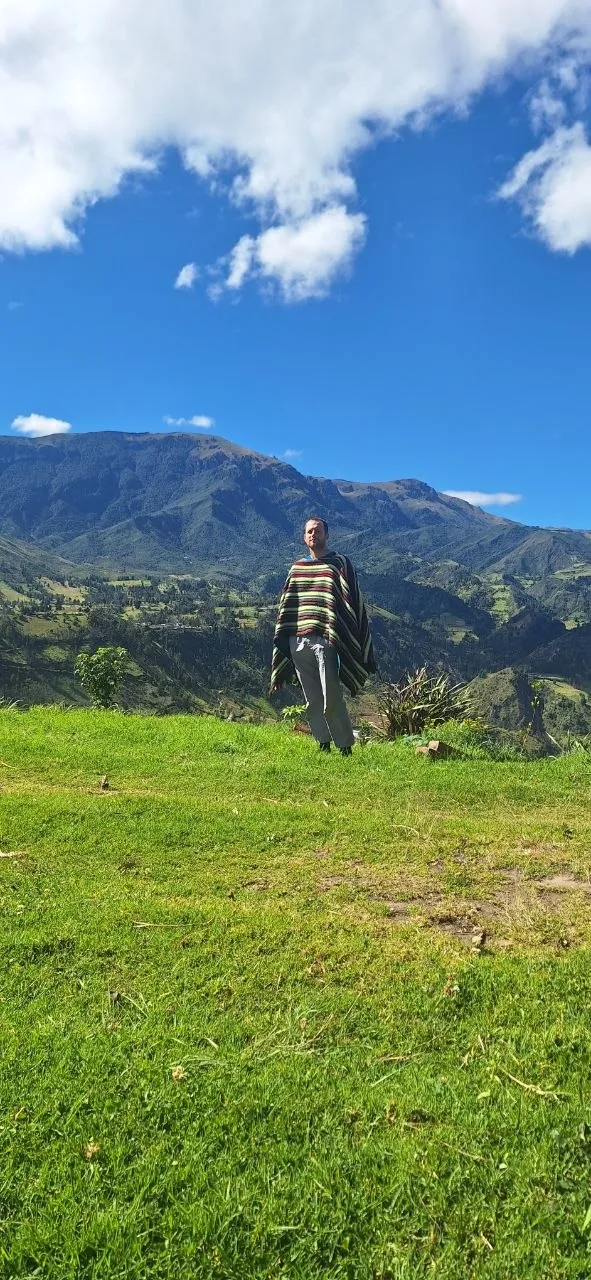
Guardo dal finestrino: sto lasciando le montagne, attraversando la valle di Baños. È famosa per le sue cascate e la sua natura unica, a metà tra montagna e foresta tropicale.
Ma ho un’altra meta: stanotte arriverò a El Coca, la città ecuatoriana che segna la frontiera con l’Amazzonia: le strade finiscono, si viaggia solo in barca, su fiumi. Da lí inizierà il mio viaggio verso la frontiera con il Peru e poi fino a Iquitos: la più grande città del mondo non raggiungibile via terra. Nessuno sa gli orari delle varie lanchas e navi cargo per arrivare a Iquitos, ma le stime più probabili danno il viaggio tra El Coca e Iquitos tra i cinque e i dieci gioni.
L’Ecuador mi sta veramente sorprendendo in un modo che non credevo possibile, dopo tutto ciò che ho già visto in questo viaggio. Non so neanche da dove iniziare a raccontare. Quindi andrò in ordine – più o meno – cronologico.
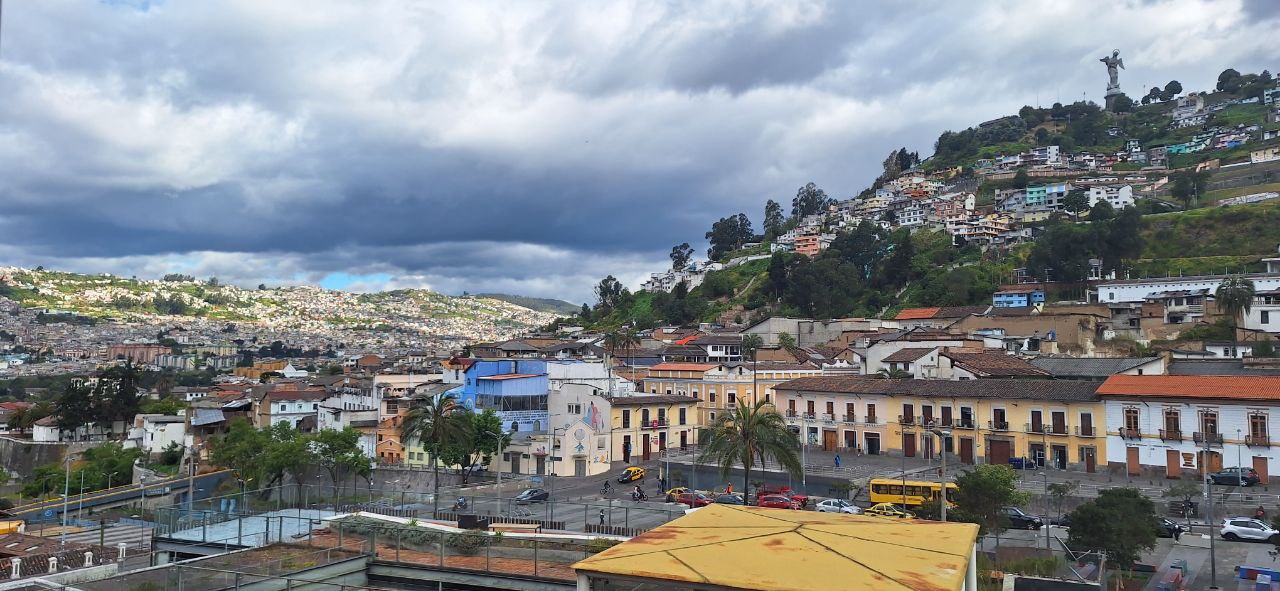
Il primo giorno di luglio lascio le Galápagos e atterro a Quito. La capitale dell’Ecuador è molto più grande di quello che pensavo, e anche più alta: quasi 3000m di altitudine. Il tragitto in bus tra aeroporto e centro dura più del volo - anche perché non scendo alla fermata giusta e mi ritrovo sulle pendici delle montagne in qualche strano barrio dimenticato.
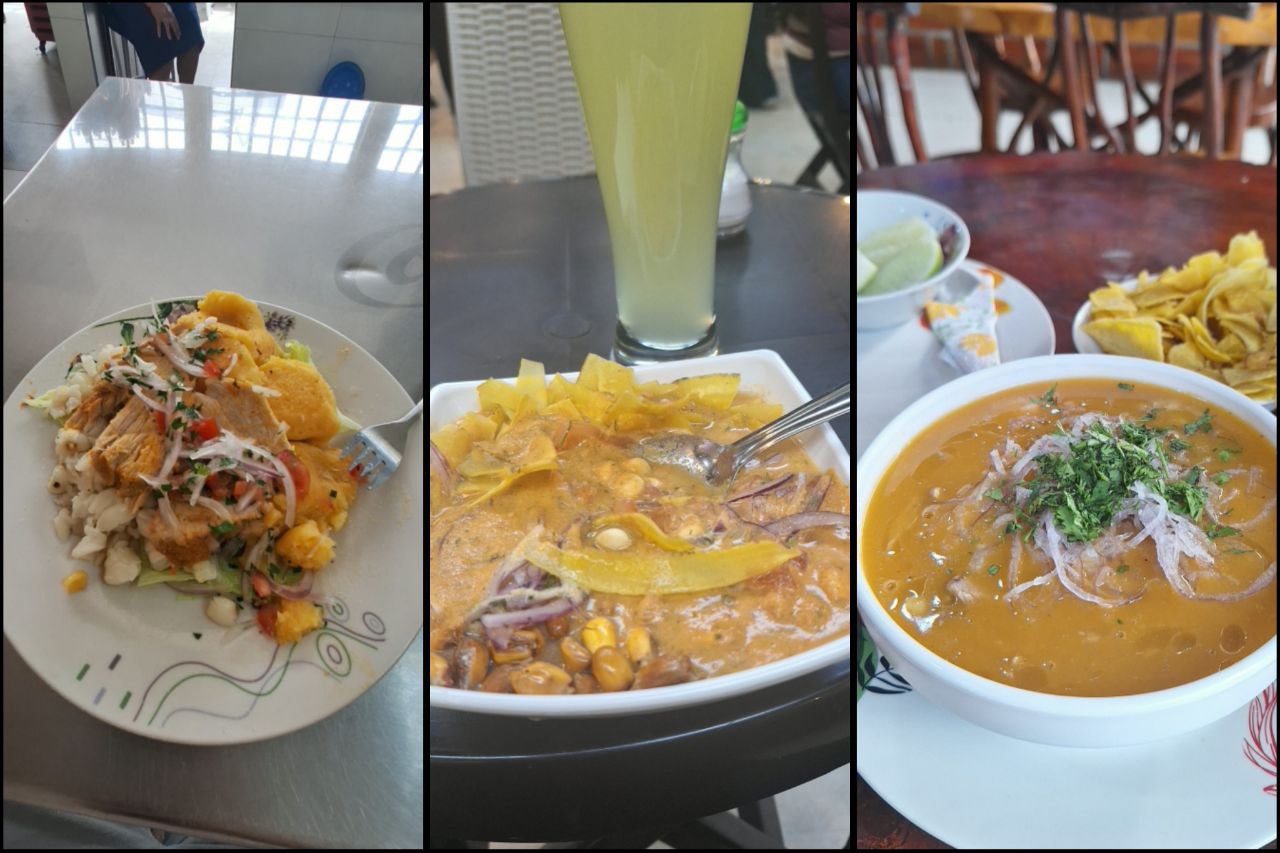
Scrivo qua una delle cose più importanti in assoluto per non ripeterlo ossessivamente più tardi. La comida. Il cibo ecuatoriano è incredibile. Sicuramente il più sottovalutato in cui mi sia imbattuto. Estremamente vario negli ingredienti e nelle preparazioni, diversissimo tra le varie regioni del paese, ogni giorno mi vizia con qualcosa di nuovo. Talmente tanto che dico… lo dico?? cibo ecuatoriano = cibo messicano = cibo italiano. Sì, l’ho detto.. Per non creare un wall of text di tutto ciò che ho provato dico solo che la tonga de cangrejo è entrata nel mio olimpo personale.
Ma il mio stay a Quito dura poco. Vorrei sfruttare al massimo i dieci giorni che ho da dedicare alle Ande (spoiler: me la prenderò con calma, diventeranno venti) prima di spostarmi in Amazzonia.
Decido di iniziare con il ‘Quilotoa loop’, un trekking molto popolare tra i gringos che passa tra diversi paesini minuscoli tra le montagne, tra i tre e quattromila metri. Sono giá preoccupato di ritrovarmi in una specie di cammino di Santiago parlando inglese e facendo le foto ai contadini che lavorano come se fossimo in uno zoo a cielo aperto. Ma rassegnato, accetto parzialmente la mia condizione di gringo: cosa c’è di più gringo che scalare le montagne solo per il piacere di farlo?
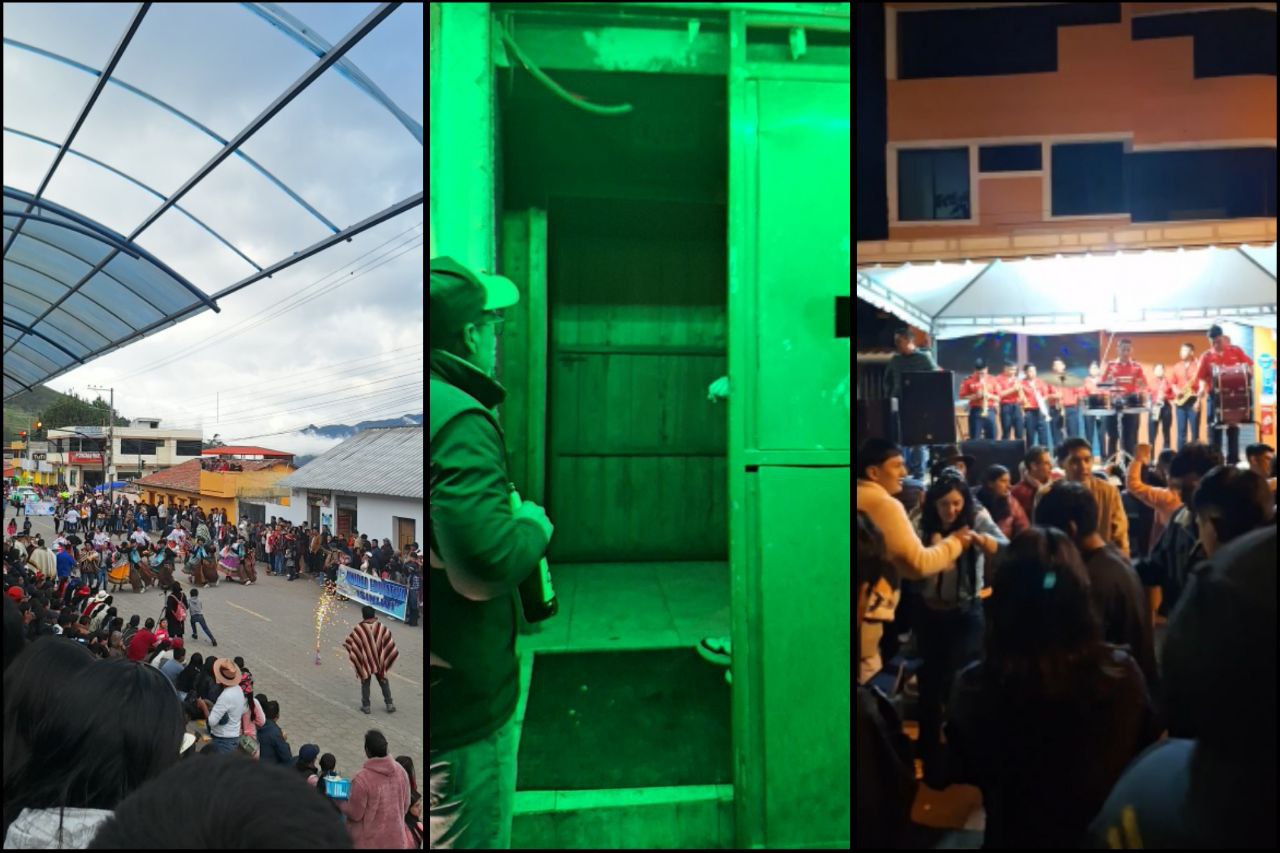
Arrivo in bus nel primo paesino del trekking: Sigchos. E proprio qua iniziano le sorprese. È la festa del paese. Una specie di processione con balli e varie performance sfila per le stradine. Mi fermo ad osservare: anche qui il dio alcool regna incontrastato. Sono l’unico gringo in vista ed attiro l’attenzione dei vari personaggi armati di varie bottiglie contenenti alcolici mai visti (scoprirò più tardi i loro nomi: cannelazo, vino de mortiño etc..). Vengo ingozzato di shot e trascinato a ballare dentro il corteo. Let’s fucking go. Passo in ostello, una specie di baita fuori paese con vista assurda sulle vallate: non mi faccio tentare dalla cena già preparata, ma resto giusto il tempo per lasciare lo zaino e torno in paese a mangiare qualcosa. Si rivela un’ottima scelta. Dopo la mia cena, mentre esco dal comedor, accade un momento mitico del mio viaggio in Ecuador. Un gruppo di uomini bevono, fuori da un Minimarket. Incrociamo lo sguardo, mi accennano una birra. Annuisco. Il resto è storia. Questo gruppo di simpaticoni si prenderà cura di me per tutta la notte.
Parlando con i vari personaggi del paese, noto presto che alcune persone parlano spagnolo peggio di me. Subito penso che sono ubriachi a merda, e in alcuni casi è vero. Ma non solo. Per alcuni la loro prima lingua è il Kichwa e non sono abituati a parlare spagnolo. Imparo immediatamente la parola Kichwa più importante, uviasciu, ‘salute/cincin’, la ricordo solo perche la ripetiamo in continuazione. Il Kichwa è una delle 14 lingue ufficiali dell’Ecuador, precolombiana, usata specialmente nella sierra. È diversa dal Quechua, che si parla in Peru (quasi rischio la vita quando chiedo se sono la stessa lingua). Come sempre l’ereditá postcoloniale è complicata. Gli anziani ancora usano la figura del ‘conquistador’ come noi usiamo l’uomo nero, il mostro cattivo che ti rapisce quando ti allontani troppo dal villaggio. E molti si considerano i discendenti degli Inca, anche se storicamente l’impero Inca in Ecuador è durato cinquant’anni, un battito di ciglia rispetto alla conquista spagnola. Ma lasceremo questa discussione sull’ ‘Inca-ismo’ per un altra puntata di Superquark. Paul, il mio angelo custode della serata, mi presenta chiunque gli capiti a tiro, quasi sempre un primo o un vecino (cugino o vicino). Paul lavora per il ministero dell’istruzione ed è attivo in diversi progetti di codifica o mantenimento delle lingue più a rischio. Galvanizzato dal mio interesse per il suo lavoro, telefona al discendente dell’ultimo parlante nativo di una delle 14 lingue ufficiali ecuatoriane e ci facciamo con lui una bella chiacchierata su un futuro paper che - a quanto pare - pubblicheremo a sei mani sulla grammatica di questa lingua quasi estinta. Anche qua, come in altri paesi del latinoamerica, incontro diverse persone che mi prendono in simpatia per il semplice fatto di essere un gringo che parla spagnolo. Alcune altre ci tengono a parlare con me in inglese: spesso sono appena state rimpatriate dall’amministrazione Trump e mi mostrano il loro permesso di soggiorno, ormai non più valido, parlandomi con nostalgia degli US.
La serata termina a tarda notte, in una discoteca di dubbio gusto, classico posto con porta blindata e spioncino per entrare. Non vorrei attardarmi troppo ma verrò coinvolto in un capovolgimento di ruoli: sarò io a dover tirare fuori dai guai Paul, il mio angelo protettore, molto vicino a un diverbio poco verbale e molto fisico con un tipo grosso il doppio di lui. Come? Il cugino di Paul, ancora più mingherlino di me, mi convince a giocare la carta (tutta teorica) del gringo = mediatore intoccabile. Funziona, tutto finisce per il meglio e terminiamo la serata svegliando a notte fonda l’anziano proprietario di un minimarket per comprare una bottiglia di vino locale. Qua il vino non si fa con l’uva ma con altra frutta, come il mirtiño (mirtillo di montagna) o la mora. Il proprietario del minimarket non sembra irritato, anzi alza la saracinesca e inizia a bere con noi.
Il mattino dopo non partirò per le mie camminate ma spenderò la mia giornata godendomi il chuchaqui (postumi) dall’amaca dell’ostello, nel giardino con vista Ande.
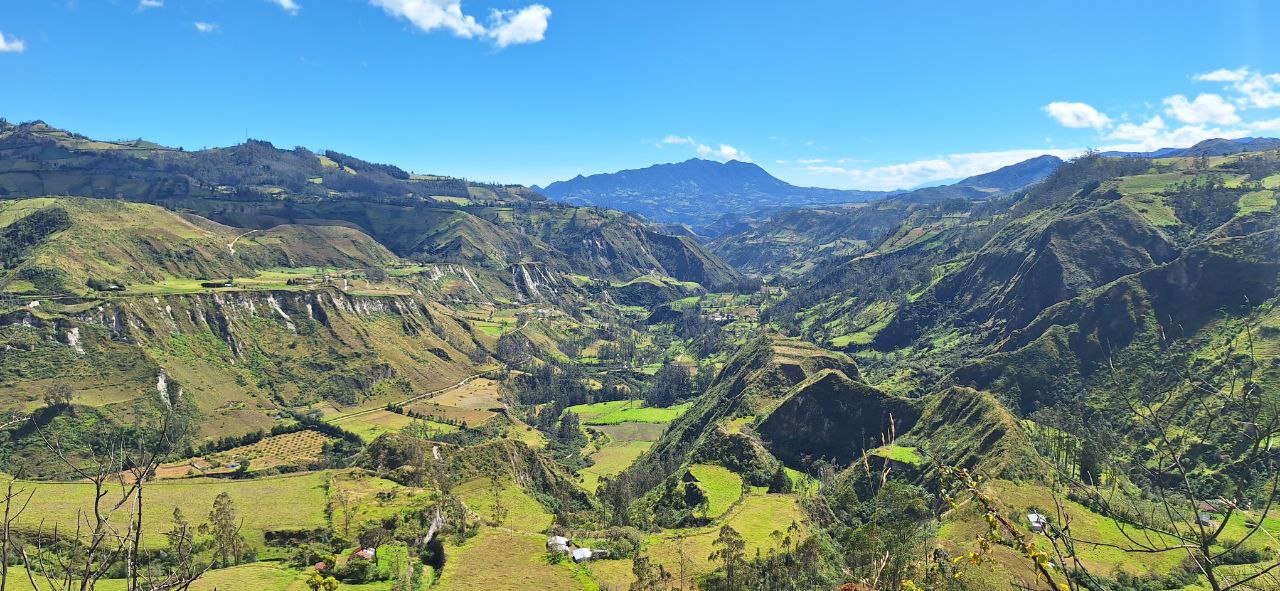
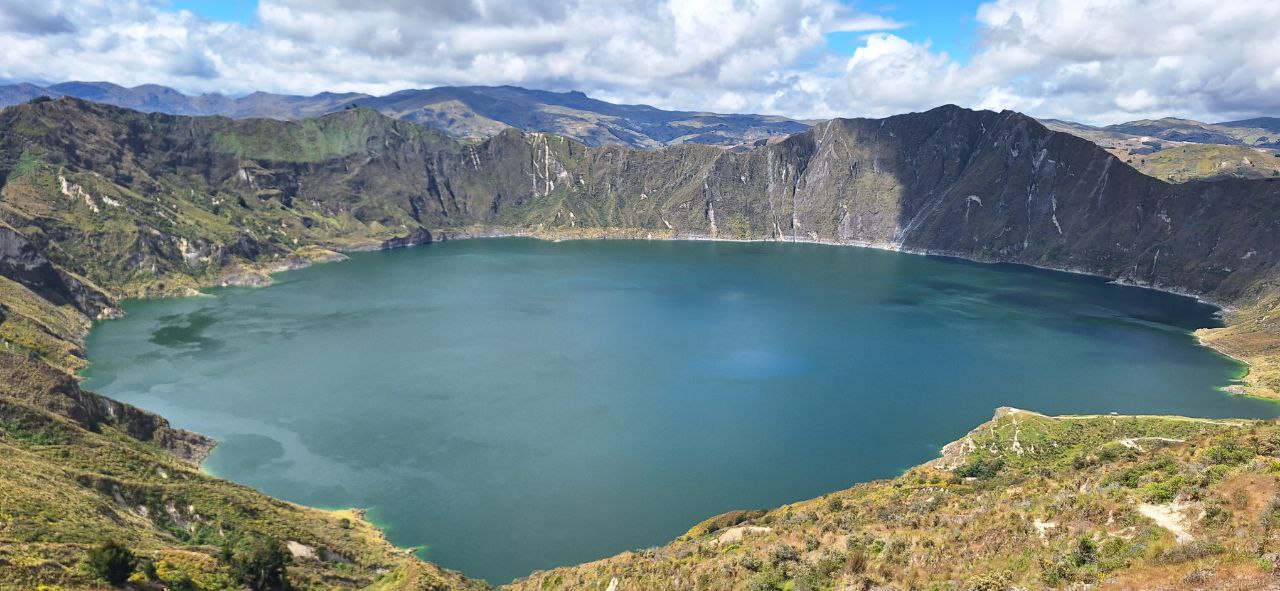
Nei giorni seguenti completo il trekking tra i vari paesini fino alla laguna di Quilotoa, trovando molti meno turisti di quelli che pensavo. La situazione sicurezza in Ecuador è in peggioramento, e il turismo ne risente. Pur credendo di essere fuori forma, impiego meta del tempo consigliato per percorrere i vari sentieri. Mi sento quindi gasato e pronto per assaltare la seconda montagna piu alta del paese, il vulcano Cotopaxi, 5897m.
Mi smezzo il costo della guida alpina con Claudia, una ragazza conosciuta sul mitico bus il primo giorno a Quito, quello che ci portò a perdere in barrios sperduti (mentre noi parlavamo in inglese senza capire di essere entrambi italiani).
Poco prima di partire in auto con Julian (la guida) per raggiungere il rifugio sulle pendici del Cotopaxi, arrivano al nostro ostello due tedeschi. Hanno provato la vetta quel giorno ma sono dovuti tornare indietro prima di raggiungerla: troppo vento e troppo ghiaccio. ‘Comunque una bellissima esperienza vedere la potenza della montagna’, dicono. Non lo sappiamo ancora, ma ci succederà la stessa cosa.
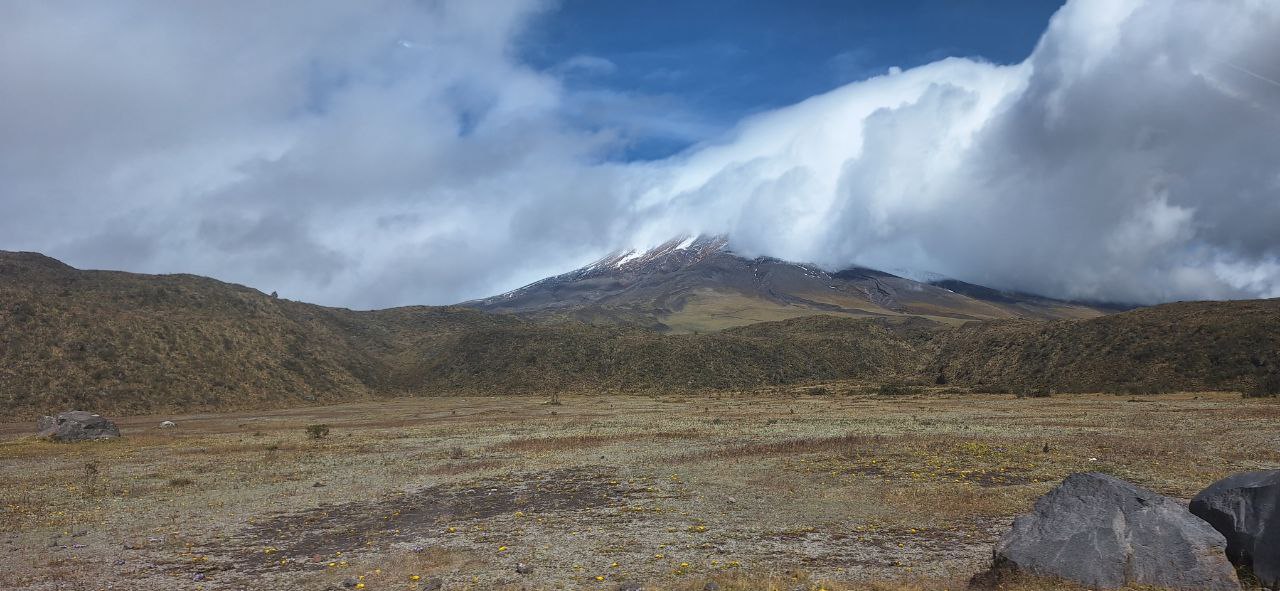
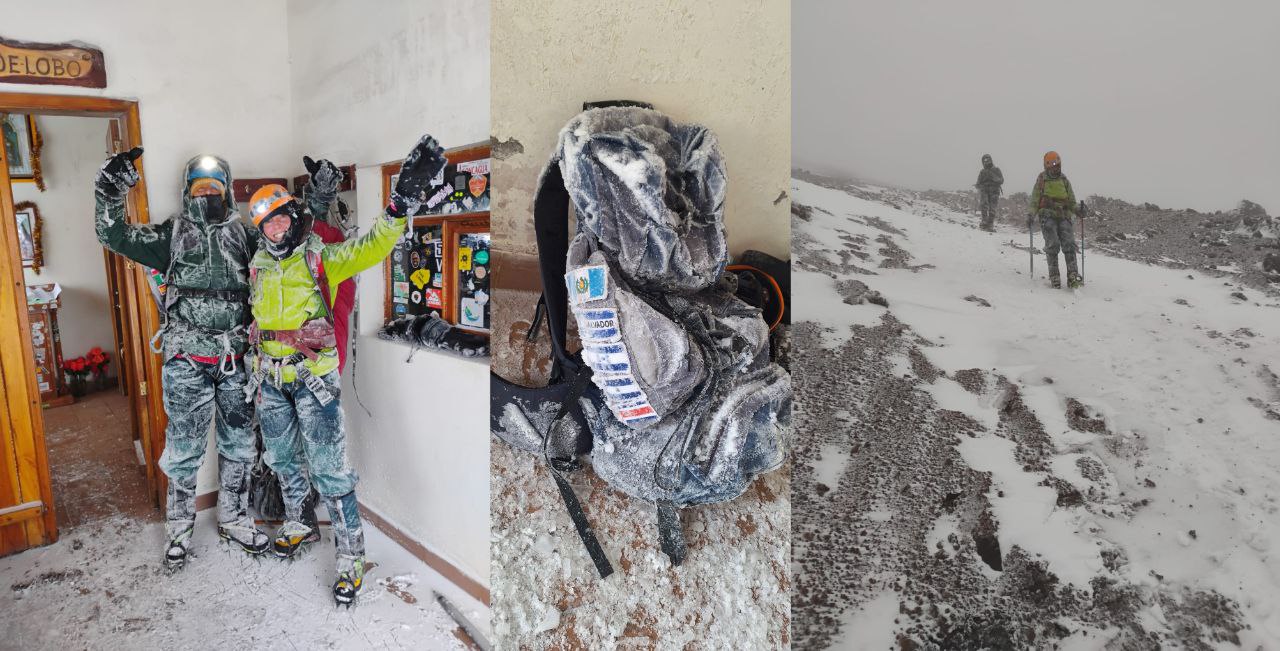
Passiamo la ‘notte’ prima della scalata in rifugio, a 4900m. Inizio a patire l’altitudine da subito. Mentre il mal di testa non mi lascia dormire, penso che siamo già più in alto della cima del Monte Bianco. Ci ‘svegliamo’ a mezzanotte e iniziamo la scalata nel grigio buio, circondati dalle nuvole e con il nevischio che sbatte in faccia. Con il passare delle ore il venticello si fa più forte, raffiche a 50 km/h e 20 gradi sottozero. Uno strato di qualche millimetro di ghiaccio ci ricopre completamente e ci rende croccanti fuori, morbidi dentro. L’altitudine mi spezza molto più di quello che pensavo, la nostra cordata da tre arranca. Molti gruppi iniziano a tornare, il vento è troppo forte. Noi continuiamo, ma in quattro ore facciamo solo tre chilometri e 600 m di dislivello. Mentre mi tengo con la picozza piantata nella neve per non farmi portare via dal vento, inizio ad allucinare e vedo i leoni marini delle Galápagos che mi fanno ciao e mi chiedo che cazzo ci faccio lì e non in una spiaggia dominicana. Dopo tutte quelle ore di grigio, le nuvole si aprono per qualche istante e intravedono le luci dell’alba e le luci di Quito in lontananza. È sufficiente: Julian decide saggiamente di interrompere l’ascesa, a 5500m. Scopriamo tornando al rifugio che nessuno e riuscito ad arrivare in vetta quel giorno. E Julian dice che il giorno prima, con i due tedeschi, il meteo era ancora peggio. E va beh.
Decido di tornare a Quito per esplorare un po’ la città prima di dirigermi in Amazzonia. Saranno gli ecuatoriani che conosco qui a dare una svolta, convincendomi a fermarmi una settimana. Il tempo di settare il mio blog, provare tutta la possibile gastronomia della sierra (montagna), e finalmente trovare il cuy asado (porcellino d’india arrosto) dopo un pomeriggio di ricerca tra i paesini delle montagne. Quito mi ricorda anche quello che non mi è piaciuto dell’Ecuador: la (in)sicurezza. Mentre attraverso la citta di notte in taxi mi vengono dei flashback da quarantena covid, tipo Will Smith in ‘Io sono leggenda’. Nessuno in strada, tutto chiuso. Il turismo ne risente: quasi tutti i giorni sono l’unico cliente del mio hotel.
Ma il potenziale turistico di questo paese è notevole. L’Ecuador è il paese dei 4 mondi: Galápagos, Ande, Costa, Amazzonia. Io ho visitato I primi due, per ora. La costa la lasciamo per un altra volta, cosi ho una buona scusa per tornare.
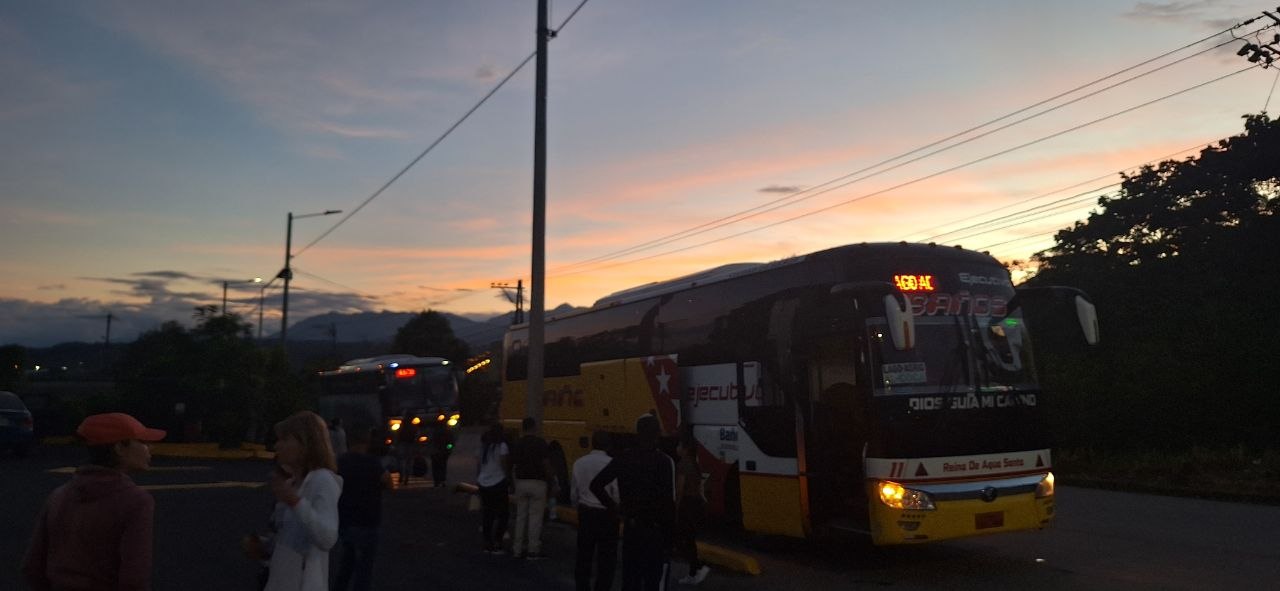
Mentre finisco di scrivere guardo fuori dal finestrino, non ci sono piu le Ande. È il tramonto, il cielo si tinge di rosa e l’aria sembra più umida. Mi sembra di essere in GTA Vice city. E invece sono arrivato nel quarto mondo ecuatoriano: l’Amazzonia.
Per i posteri, lascio qui tutto ciò che ho mangiato in Ecuador e che non ho mai provato da nessuna altra parte. Basta rileggere la lista per farmi venire fame. Ma la santa trinità rimarrà sempre tonga de cangrejo, encebollado e cevichocho (ceviche di mais), solo a pensarci inizio a salivare.
Encebollado, bollo de pescado, encocado, sango de pescado, hornado, yahuarlocro, corvina (con ceviche), seco de pollo, seco de chivo, bolon, tigrillo, menudo con morcilla, jugos: naranjilla - alfalfa (hierba para conejos) y huevo - naranjilla y coco - borojo - jackfruit, morocho, colada morada (con pancito), fritada (con choclo tostado), empanada de viento, bizcocho y queso de oja (de cayambe), humita, huevo a la copa, cuy, chicha: de jora - de chonta, tamal lojano, ponche, quimbolito, cevichocho, empanada de morocho, canelazo, cangrejada, salprieta, tonga de cangrejo, huevo moyo, caña manabita (de mora, chocolate..), gelatina, chontacuro, maito (de tilapia), guayusa, chanfaina, guatita, chinchulines, papas con cuero o librillo, chochos, corviche, cangrejos criollos, maracumango.
Once again I am writing on a bus. I left Quito five hours ago and we are not even halfway through the trip. Good, because I need time to write: there are many things I want to remember from the last three weeks spent in the Andes.
I look out the window: I am leaving the mountains, crossing the Baños valley. It is famous for its waterfalls and its unique nature, halfway between mountain and tropical forest.
But I have another destination: tonight I will arrive in El Coca, a city in the Amazon. From there my journey toward Iquitos, in Peru, will begin. Iquitos is the largest city in the world not reachable by land. Since going there by plane seems too simple, I will try to reach it by boat, on the rivers. No one knows the schedules of the various lanchas and cargo ships, but the most likely estimates put the trip between Coca and Iquitos between five and ten days.
Ecuador is really surprising me in a way I did not think possible, after everything I have already seen on this trip. I don’t even know where to begin telling it. So I will go in — more or less — chronological order.
On the first day of July I leave the Galápagos and land in Quito. The capital of Ecuador is much bigger than I thought, and also higher: almost 3000m of altitude. The bus ride between the airport and the center lasts longer than the flight — also because I don’t get off at the right stop and I find myself on the slopes of the mountains in some strange forgotten barrio.
I write here one of the most important things of all so I don’t repeat it obsessively later. La comida. The Ecuadorian food is incredible. Definitely the most underrated I have ever come across. Extremely varied in ingredients and preparations, very different between the various regions of the country, every day it spoils me with something new. So much so that I say… do I say it?? Ecuadorian food = Mexican food = Italian food. Yes, I said it.. To avoid creating a wall of text of everything I tried I will just say that tonga de cangrejo has entered my personal Olympus.
But my stay in Quito doesn’t last long. I would like to make the most of the ten days I have to dedicate to the Andes (spoiler: I will take it easy, they will become twenty) before moving to the Amazon.
I decide to start with the ‘Quilotoa loop’, a very popular trekking among gringos that passes through several tiny villages in the mountains, between three and four thousand meters. I am already worried about finding myself in a sort of Camino de Santiago speaking English and taking pictures of the farmers working as if we were in an open-air zoo. But resigned, I partially accept my condition as a gringo: what is more gringo than climbing mountains just for the pleasure of doing it?
I arrive by bus in the first little town of the trek: Sigchos. And right here the surprises begin. It is the village festival. A sort of procession with dances and various performances parades through the little streets. I stop to watch: here too the god alcohol reigns unchallenged. I am the only gringo in sight and I attract the attention of various characters armed with various bottles containing alcoholic drinks never seen before (I will discover their names later: cannelazo, vino de mortiño etc..). I get stuffed with shots and dragged to dance inside the parade. Let’s fucking go. I stop by the hostel, a sort of cabin outside the village with an insane view over the valleys: I don’t let myself be tempted by the already prepared dinner, but I stay just long enough to drop off my backpack and return to the village to eat something. It turns out to be an excellent choice. After my dinner, as I leave the comedor, a legendary moment of my trip in Ecuador happens. A group of men are drinking outside a Minimarket. We make eye contact, they hint me a beer. I nod. The rest is history. This group of funny guys will take care of me for the whole night.
Talking with the various characters of the village, I soon notice that some people speak Spanish worse than I do. At first I think they are drunk as hell, and in some cases it is true. But not only. For some their first language is Kichwa and they are not used to speaking Spanish. I immediately learn the most important Kichwa word, uviasciu, “cheers,” I remember it only because we repeat it continuously. Kichwa is one of the 14 official languages of Ecuador, pre-Columbian, used especially in the sierra. It is different from Quechua, which is spoken in Peru (I almost risk my life when I ask if they are the same language). As always the post-colonial legacy is complicated. The elders still use the figure of the “conquistador” as we use the boogeyman, the bad monster who kidnaps you when you go too far from the village. And many consider themselves descendants of the Incas, even though historically the Inca empire in Ecuador lasted fifty years, a blink of an eye compared to the Spanish conquest. But we will leave this discussion on “Inca-ism” for another episode of Superquark. Paul, my guardian angel of the evening, introduces me to anyone who comes in his way, almost always a primo or a vecino (cousin or neighbor). Paul works for the ministry of education and is active in various projects of codifying or maintaining the most at-risk languages. Galvanized by my interest in his work, he calls the descendant of the last native speaker of one of the 14 official Ecuadorian languages and we have a nice chat with him about a future paper that — apparently — we will publish with six hands on the grammar of this almost extinct language. Even here, as in other Latin American countries, I meet various people who take a liking to me for the simple fact of being a gringo who speaks Spanish. Some others are keen to speak with me in English: often they have just been deported by the Trump administration and show me their residence permit, no longer valid, speaking to me with nostalgia of the US.
The evening ends late at night, in a nightclub of dubious taste, the classic place with an armored door and peephole to enter. I wouldn’t want to linger too long but I will be involved in a reversal of roles: I will be the one to have to pull Paul, my guardian angel, out of trouble, very close to a disagreement not very verbal and very physical with a guy twice his size. How? Paul’s cousin, even skinnier than me, convinces me to play the (purely theoretical) card of gringo = untouchable mediator. It works, everything ends well and we end the night waking up in the middle of the night the elderly owner of a minimarket to buy a bottle of local wine. Here the wine is not made with grapes but with other fruits, such as mirtiño (mountain blueberry) or blackberry. The minimarket owner does not seem irritated, instead he raises the shutter and starts drinking with us.
The next morning I will not leave for my walks but I will spend my day enjoying the chuchaqui (hangover) from the hostel hammock, in the garden with an Andes view.
In the following days I complete the trekking through the various little villages up to the Quilotoa lagoon, finding far fewer tourists than I expected. The security situation in Ecuador is worsening, and tourism is suffering from it. Even though I believe I am out of shape, I take half the recommended time to walk the various paths. I therefore feel hyped and ready to assault the second highest mountain in the country, the Cotopaxi volcano, 5897m.
I split the cost of the alpine guide with Claudia, a girl I met on the legendary bus on the first day in Quito, the one that got us lost in remote barrios (while we were speaking in English without realizing we were both Italian).
Shortly before leaving by car with Julian (the guide) to reach the refuge on the slopes of Cotopaxi, two Germans arrive at our hostel. They attempted the summit that day but had to turn back before reaching it: too much wind and too much ice. “Still a beautiful experience to see the power of the mountain,” they say. We don’t know it yet, but the same thing will happen to us.
We spend the “night” before the climb in the refuge at 4900m. I start suffering from the altitude immediately. While the headache doesn’t let me sleep, I think that we are already higher than the summit of Mont Blanc. We “wake up” at midnight and begin the climb in the grey darkness, surrounded by clouds and with sleet hitting our faces. As the hours pass the little wind gets stronger, gusts at 50 km/h and 20 degrees below zero. A layer of a few millimetres of ice covers us completely and makes us crunchy on the outside, soft on the inside. The altitude breaks me much more than I expected, our three-person rope team is struggling. Many groups start to turn back, the wind is too strong. We continue, but in four hours we cover only three kilometres and 600 m of ascent. While I hold on with the ice axe planted in the snow to avoid being carried away by the wind, I begin to hallucinate and see the Galápagos sea lions waving at me and I ask myself what the hell I am doing there and not on a Dominican beach. After all those hours of grey, the clouds open for a few moments and we glimpse the lights of dawn and the lights of Quito in the distance. It is enough: Julian wisely decides to interrupt the ascent, at 5500m. We find out on returning to the refuge that no one managed to reach the summit that day. And Julian says that the day before, with the two Germans, the weather was even worse. And oh well.
I decide to return to Quito to explore the city a bit before heading to the Amazon. It will be the Ecuadorians I meet there who give a twist to my plans, convincing me to stay a week. Time to set up my blog, try all the possible gastronomy of the sierra (mountain), and finally find cuy asado (roasted guinea pig) after an afternoon of searching among the mountain villages. Quito also reminds me of what I didn’t like about Ecuador: the (in)security. While I cross the city at night in a taxi I get flashbacks from the Covid quarantine, like Will Smith in “I Am Legend.” No one in the street, everything closed. Tourism suffers from it: almost every day I am the only guest in my hotel.
But the tourism potential of this country is remarkable. Ecuador is the country of the 4 worlds: Galápagos, Andes, Coast, Amazon. I have visited the first two, for now. We leave the coast for another time, so I have a good excuse to return.
As I finish writing I look out the window, the Andes are no longer there. It is sunset, the sky is tinged with pink and the air seems more humid. It feels like being in GTA Vice City. And instead I have arrived in the fourth Ecuadorian world: the Amazon.
I leave here everything I ate in Ecuador and that I have never tried anywhere else. Just rereading the list makes me hungry. But the holy trinity will always remain tonga de cangrejo, encebollado and cevichocho (corn ceviche), just thinking about them I start to salivate.
Encebollado, bollo de pescado, encocado, sango de pescado, hornado, yahuarlocro, corvina (con ceviche), seco de pollo, seco de chivo, bolon, tigrillo, menudo con morcilla, jugos: naranjilla - alfalfa (hierba para conejos) y huevo - naranjilla y coco - borojo - jackfruit, morocho, colada morada (con pancito), fritada (con choclo tostado), empanada de viento, bizcocho y queso de oja (de cayambe), humita, huevo a la copa, cuy, chicha: de jora - de chonta, tamal lojano, ponche, quimbolito, cevichocho, empanada de morocho, canelazo, cangrejada, salprieta, tonga de cangrejo, huevo moyo, caña manabita (de mora, chocolate..), gelatina, chontacuro, maito (de tilapia), guayusa, chanfaina, guatita, chinchulines, papas con cuero o librillo, chochos, corviche, cangrejos criollos, maracumango.
Resta aggiornato Stay updated
Ricevi una mail a ogni nuovo racconto Get an email with every new entry
Niente spam, solo i nuovi capitoli del viaggio - promesso :) No spam, just the new chapters of the journey - I promise :)
Iscrizione completata! Riceverai una mail a ogni nuovo racconto. You're subscribed! You'll get an email with every new entry.
Qualcosa è andato storto. Riprova. Something went wrong. Please try again.